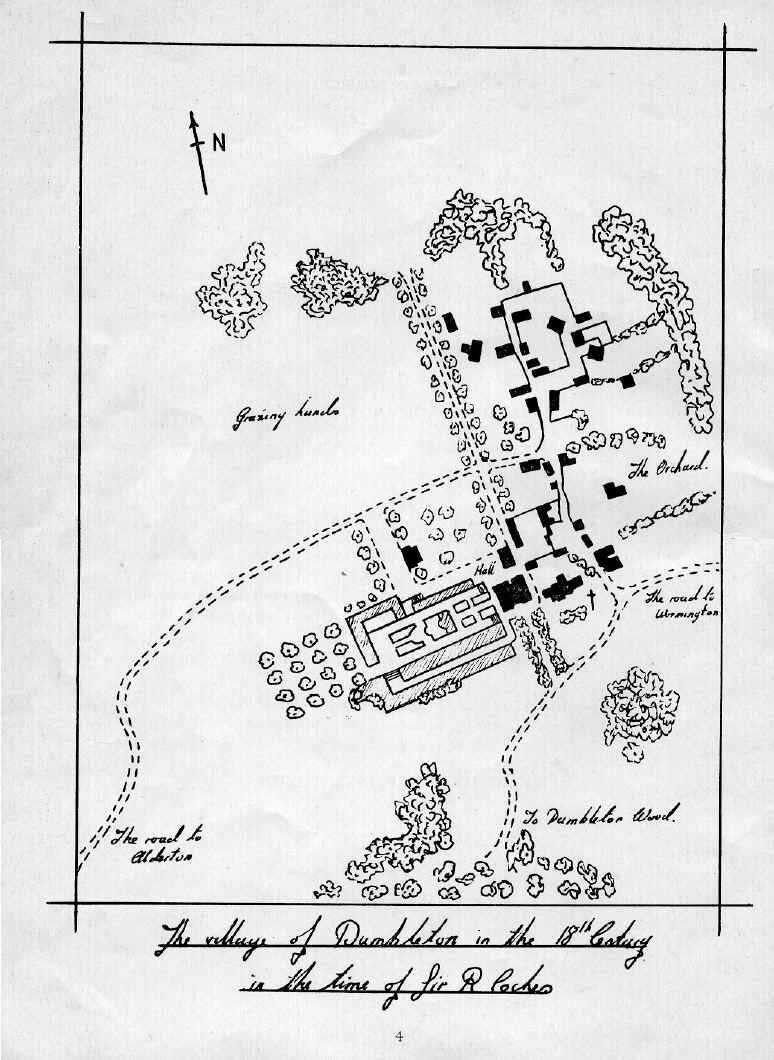
taken from the first edition of "Lands Called Dumbleton" by J C L Ellis-Mitchell, MHCMA, MRSH
The original Dumbleton Hall ceased to be used after the death of Sir Robert Cocks following a fall from his horse in 1765. The Hall was eventually demolished sometime towards the end of the 18th century
We are grateful to Mr Martin Grafton, a director of the Post Office Fellowship of Remembrance, for much of the history of the present Dumbleton Hall.
He in turn is grateful to Mr Michael Casey, a descendant of Viscount Monsell, for the generous loan of photographs and newspaper cuttings.
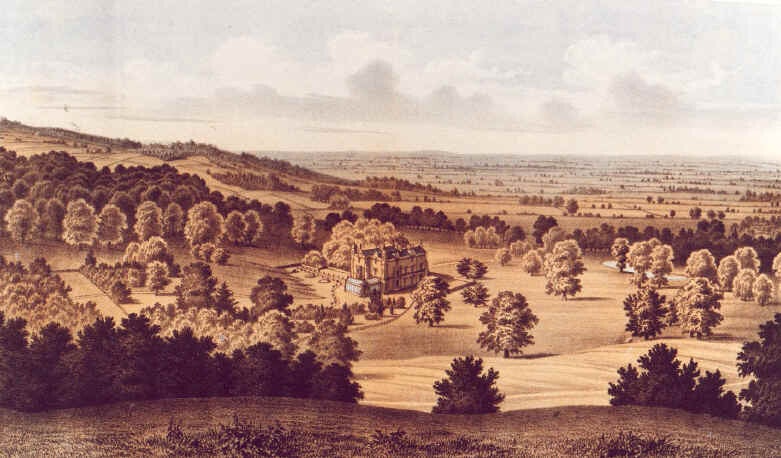
Edward Holland commissioned the architect G S Repton to build the new Dumbleton Hall in 1830. The Hall is built of stone, from the Temple Guiting quarries, and of brick. Edward Holland carried out many improvements to the village.
He rebuilt some of the farms and constructed a number of semi-detached cottages. In order to carry out all this building work he established a brickyard to the north of the village.
Edward Holland died in 1875 and the estate was bought by the Eyres-Monsell family. In 1959 the Eyres-Monsell family sold the Hall to The Post Office Fellowship of Remembrance.


Note that the Hall garden extended into what is now grazing pasture.

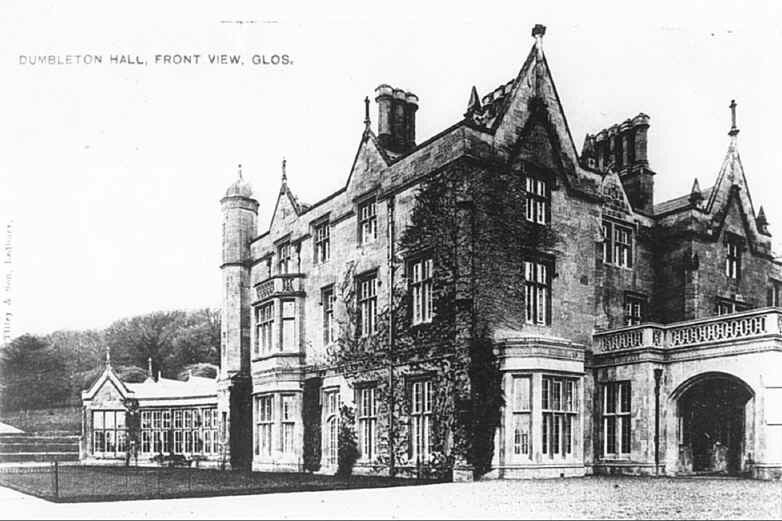
A postcard of Dumbleton Hall, believed to date from around 1910 (kindly provided by Mr Terry Whipple)

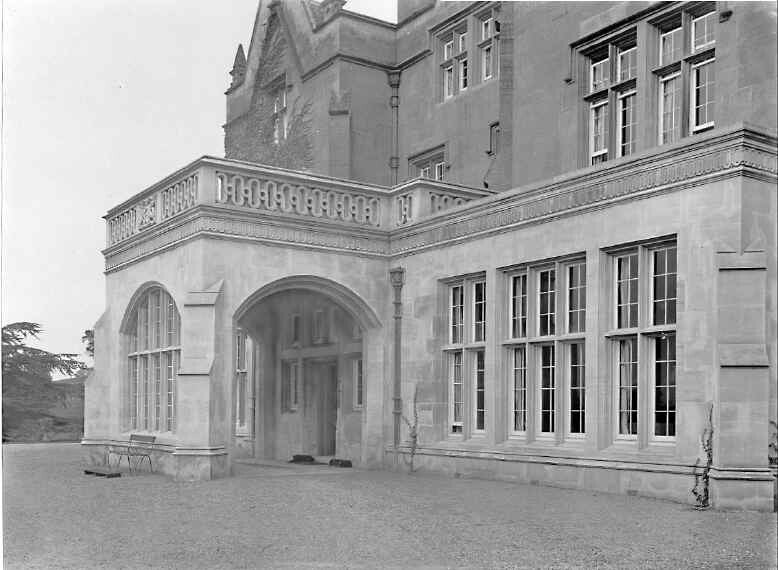
New stonework of the front entrance

The entrance soon after its construction
The entrance some years after its construction
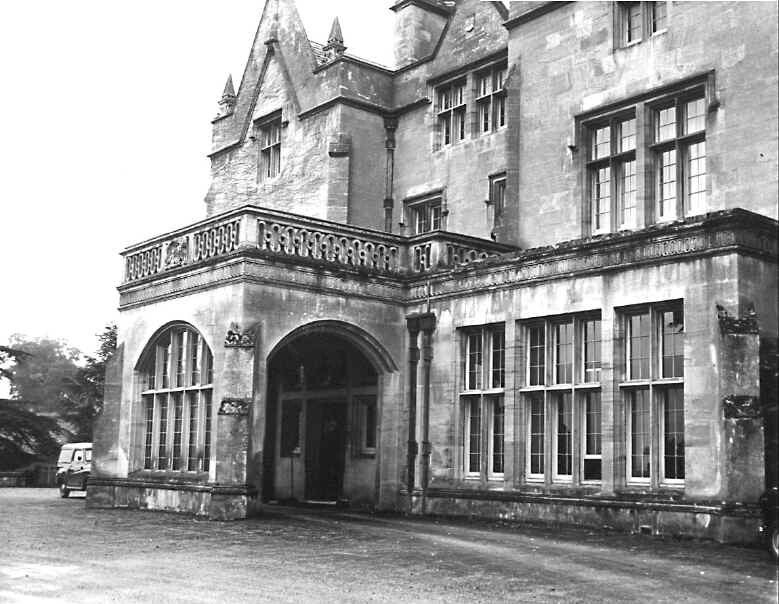
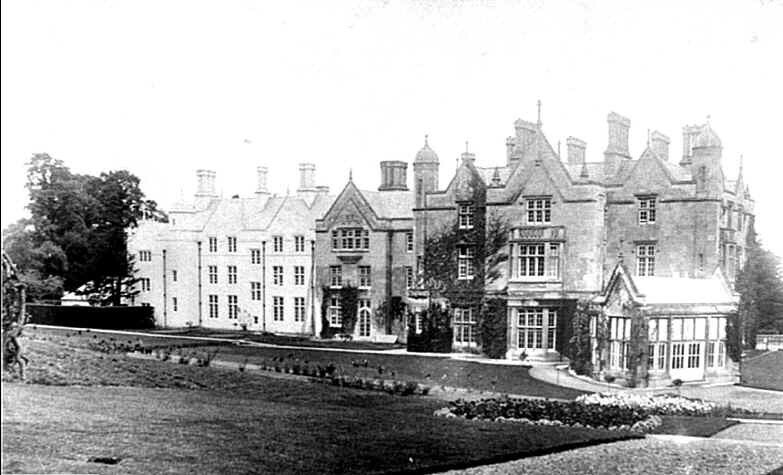
Views showing the new masonry and the conservatory (on the right) before its modification
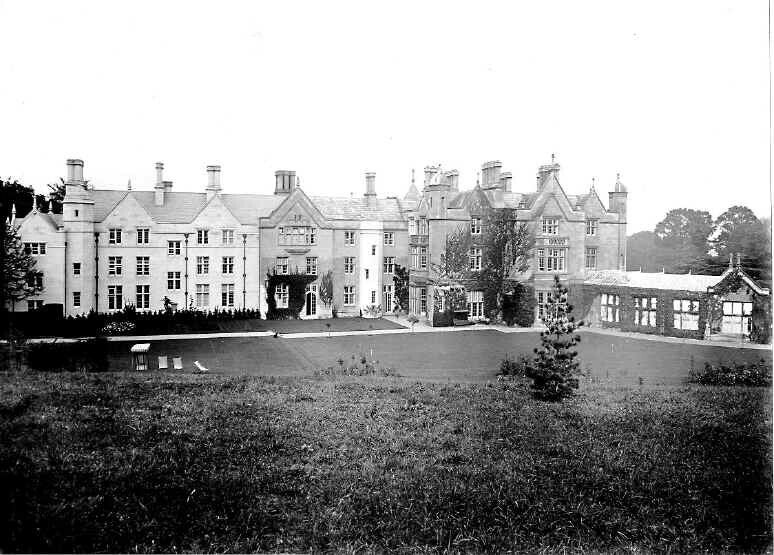
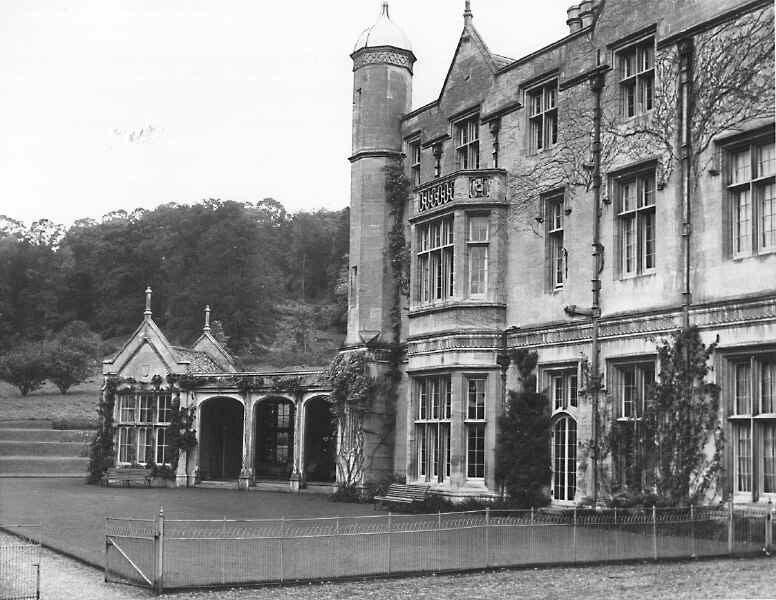
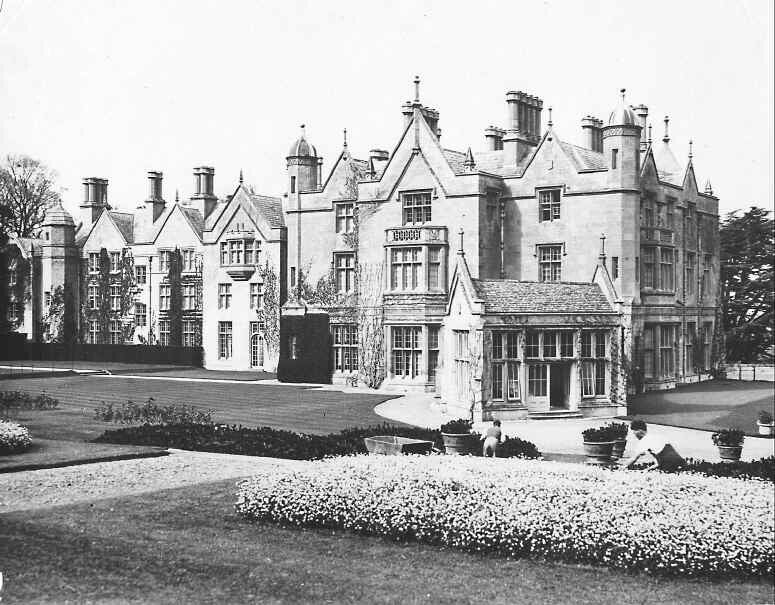
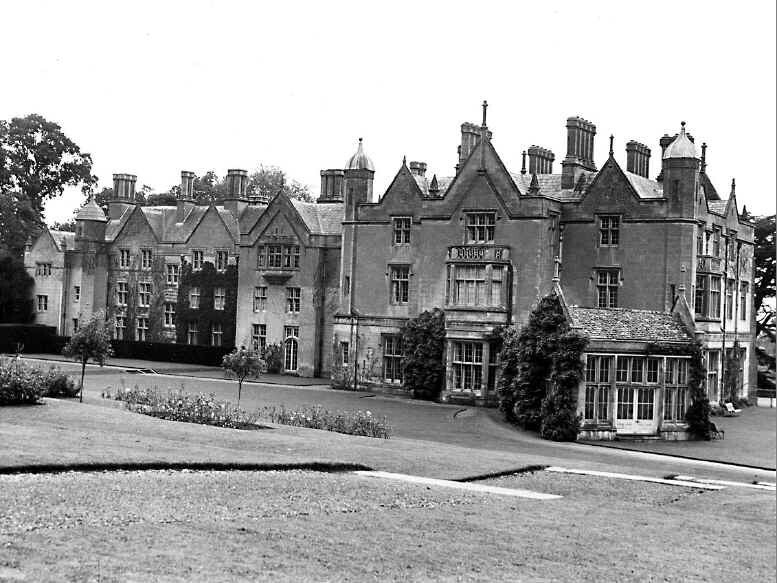
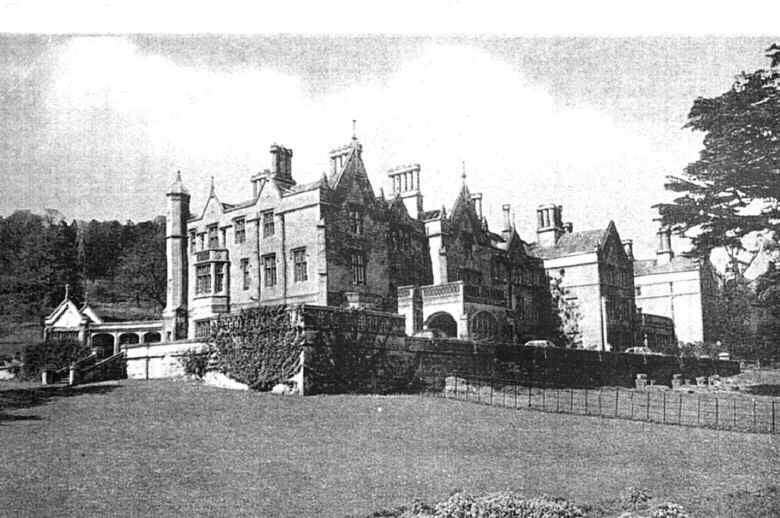
Note that the conservatory (on the left) has been modified compared to the previous pictures.
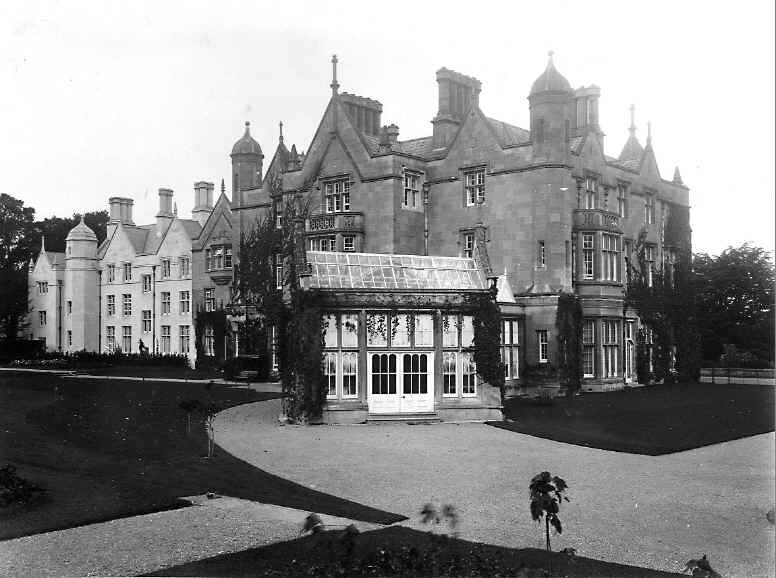
Note the new stonework on the left of the North Wing extension and also of the new spiral staircase
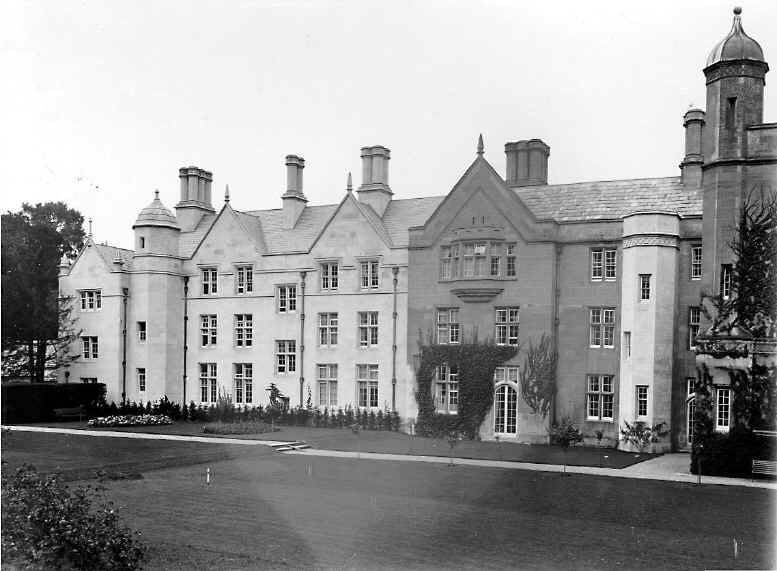
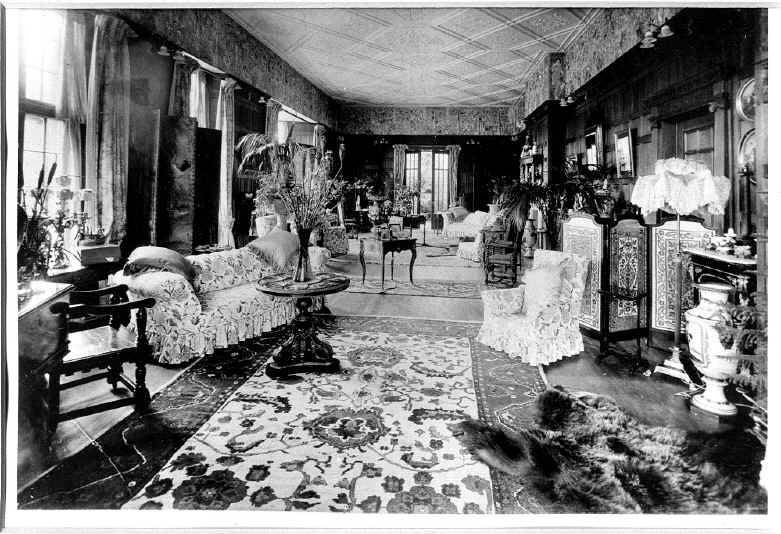
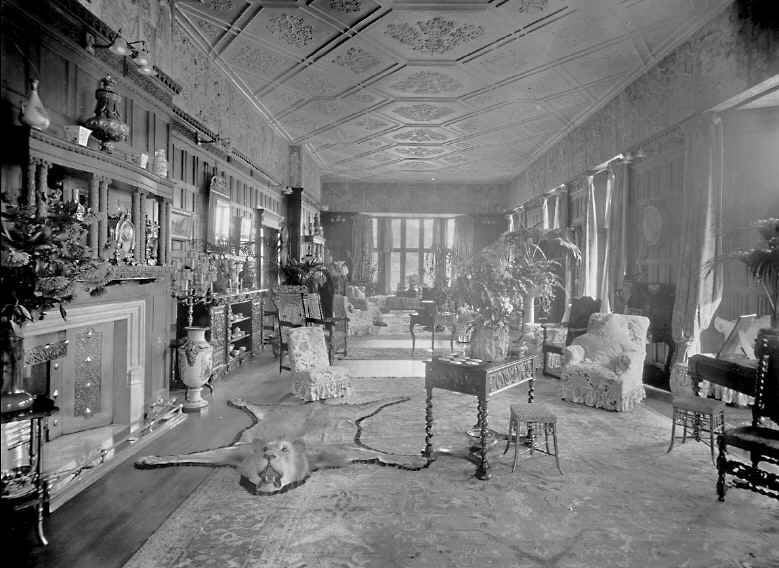
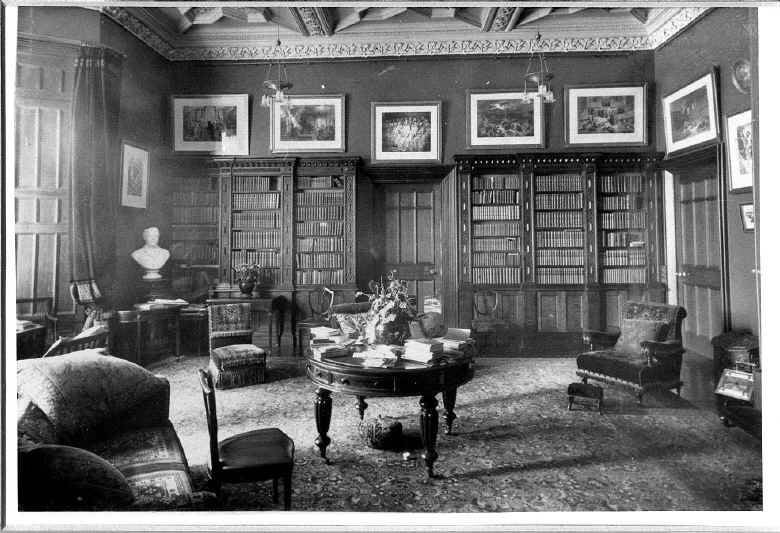

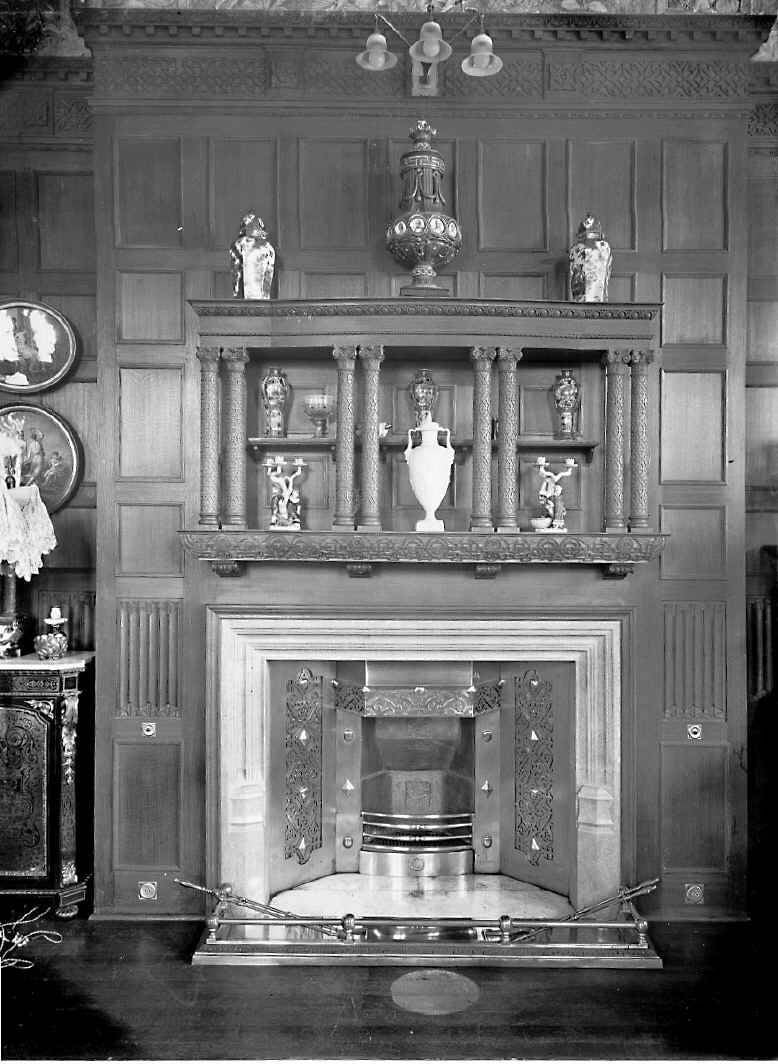
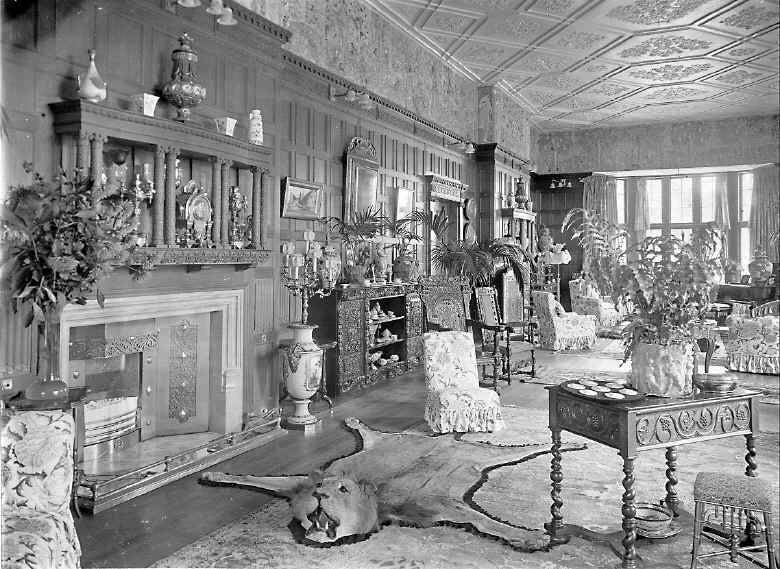

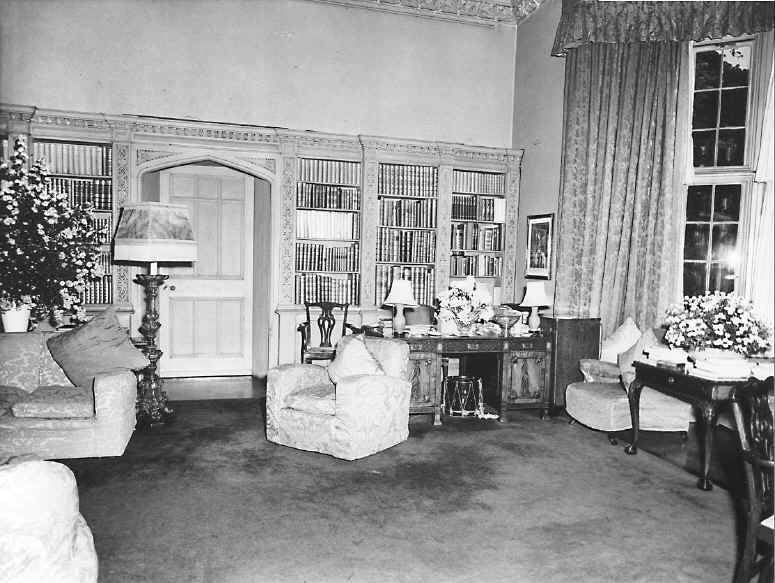


The South, or Evesham, Lodge. Built around 1900, now privately owned

New Owners restored and extended the lodge in early 2020s.

The South Lodge in 2026
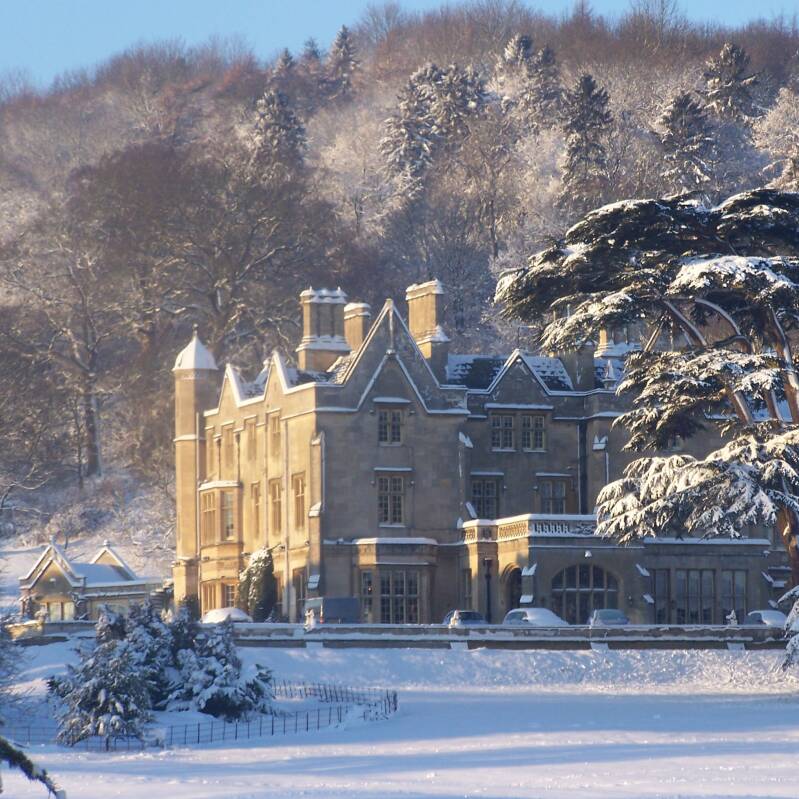
The hall in the winter of 2022 after it was acquired by new owners in 2021.