Open Day 10th May 2026.
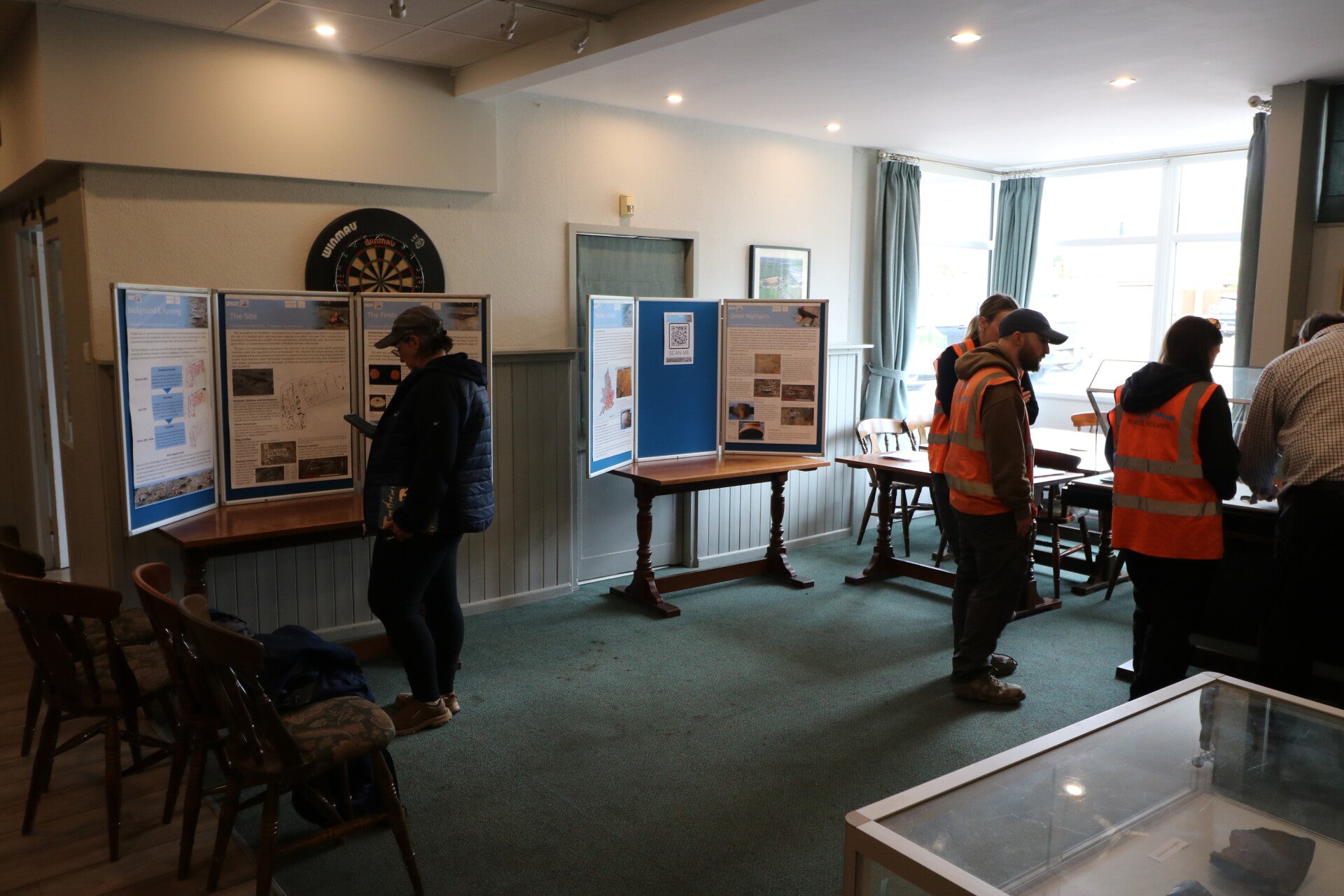
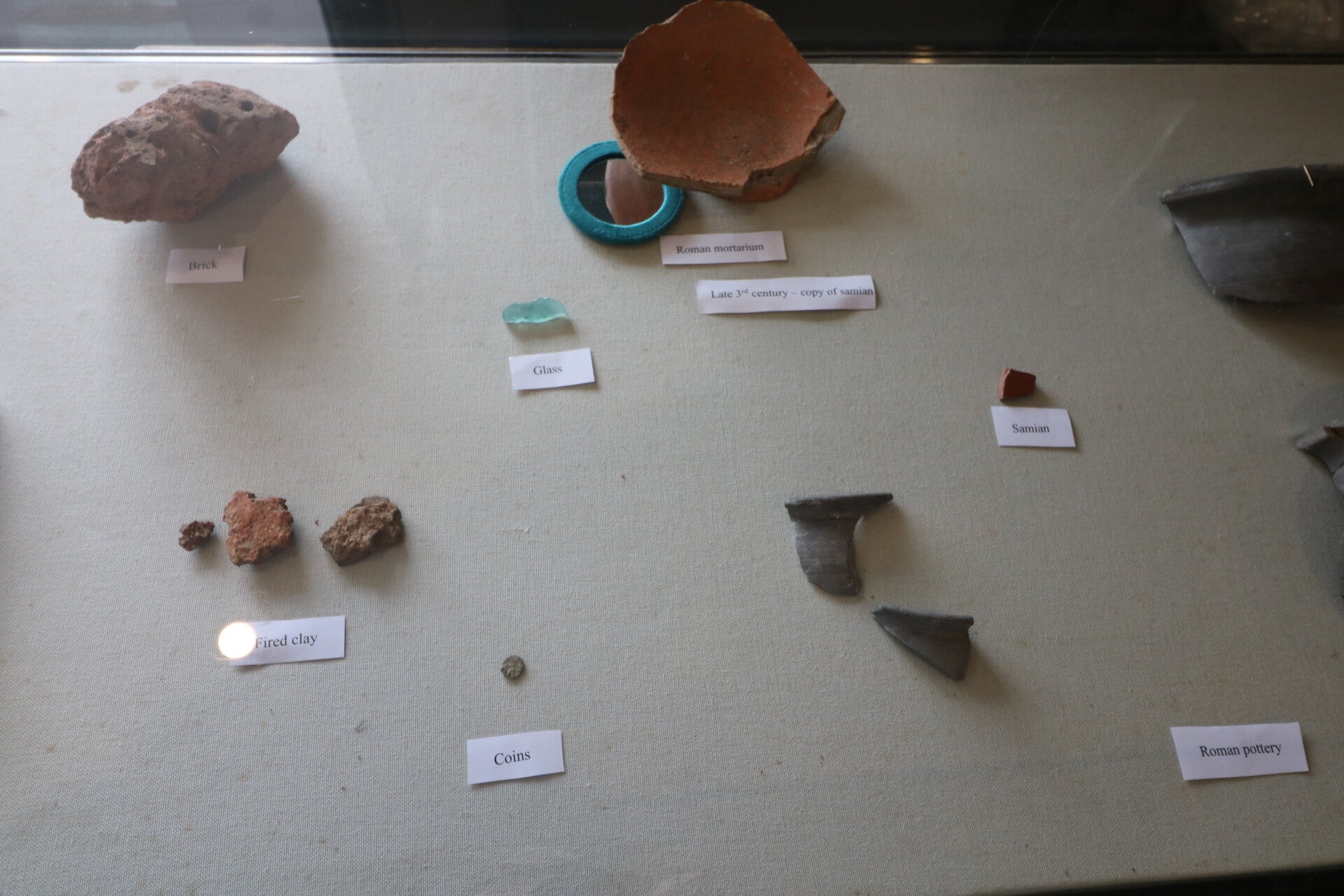
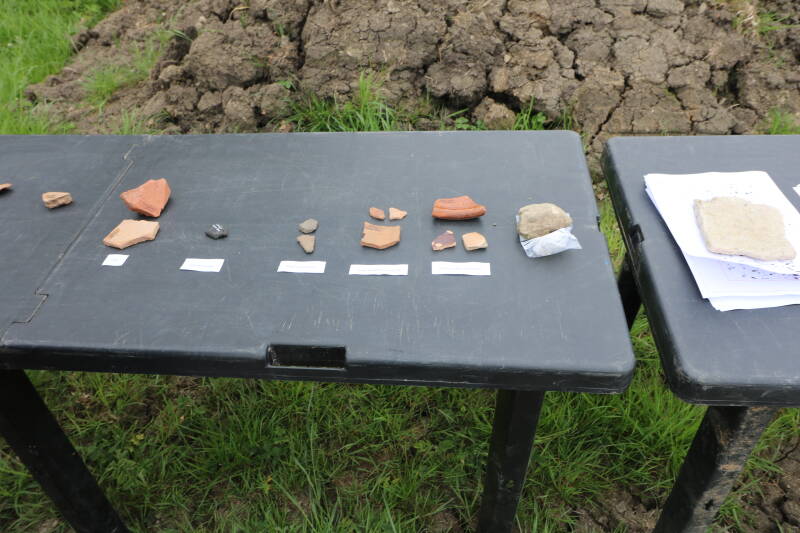
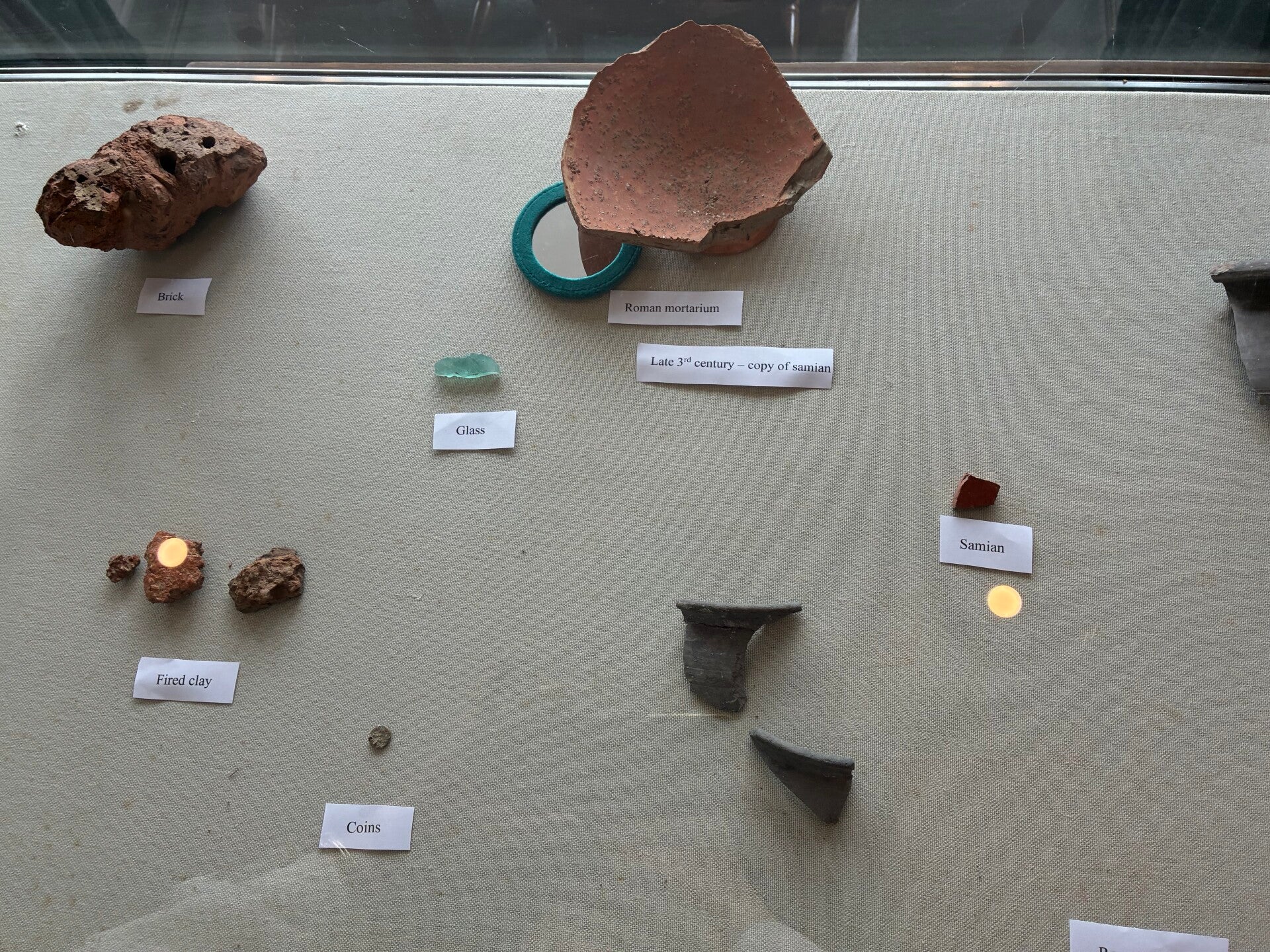
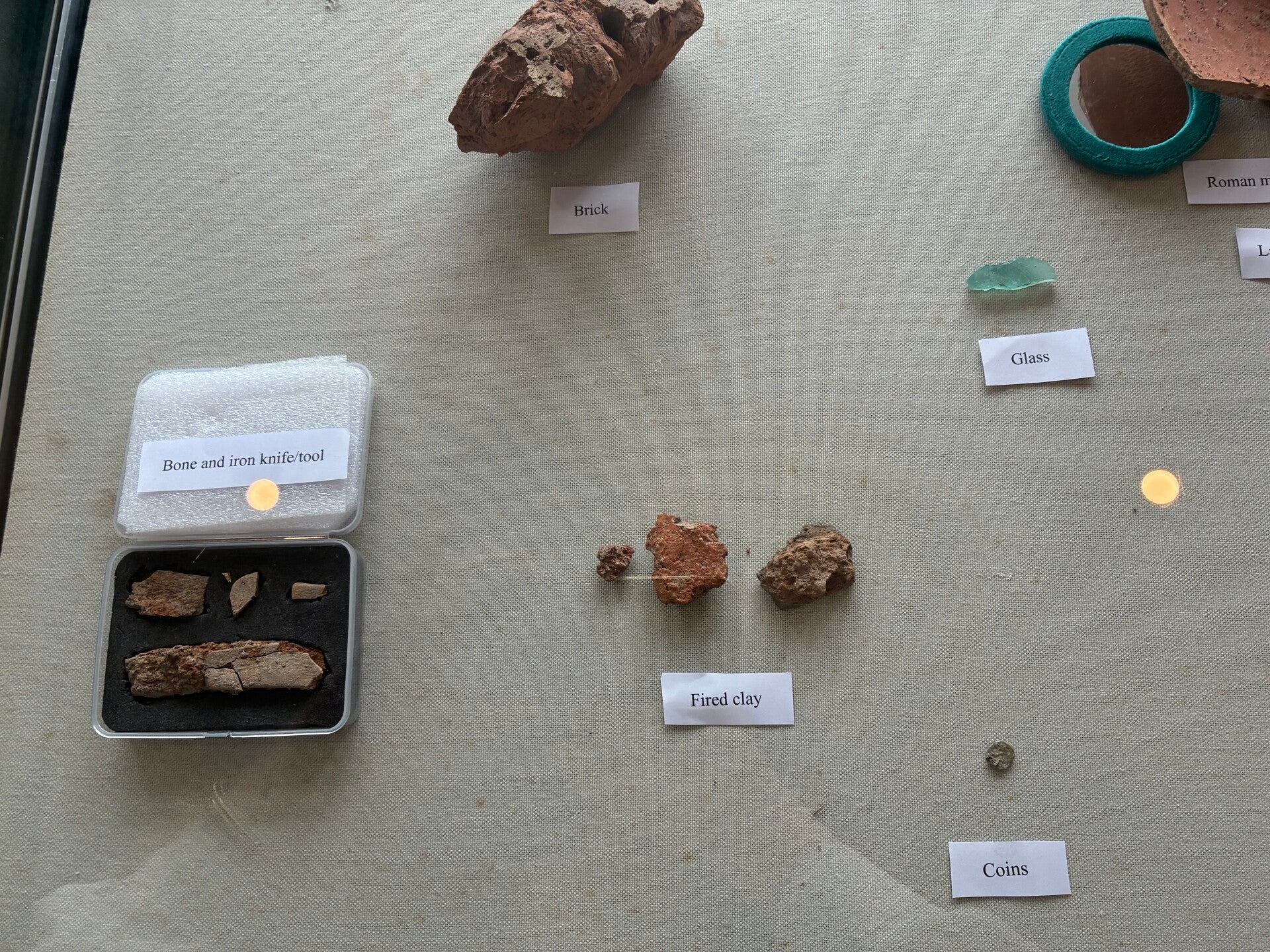
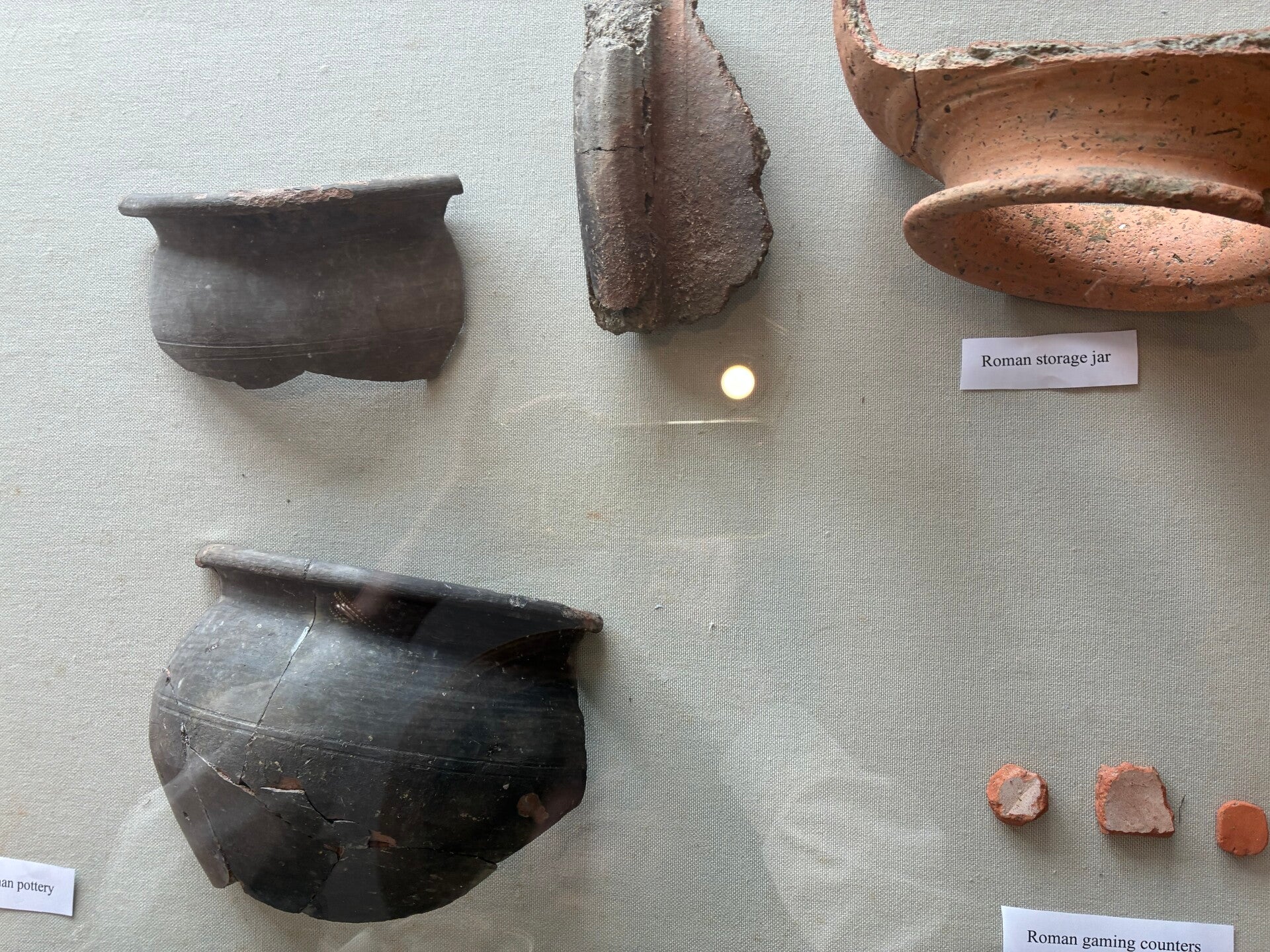
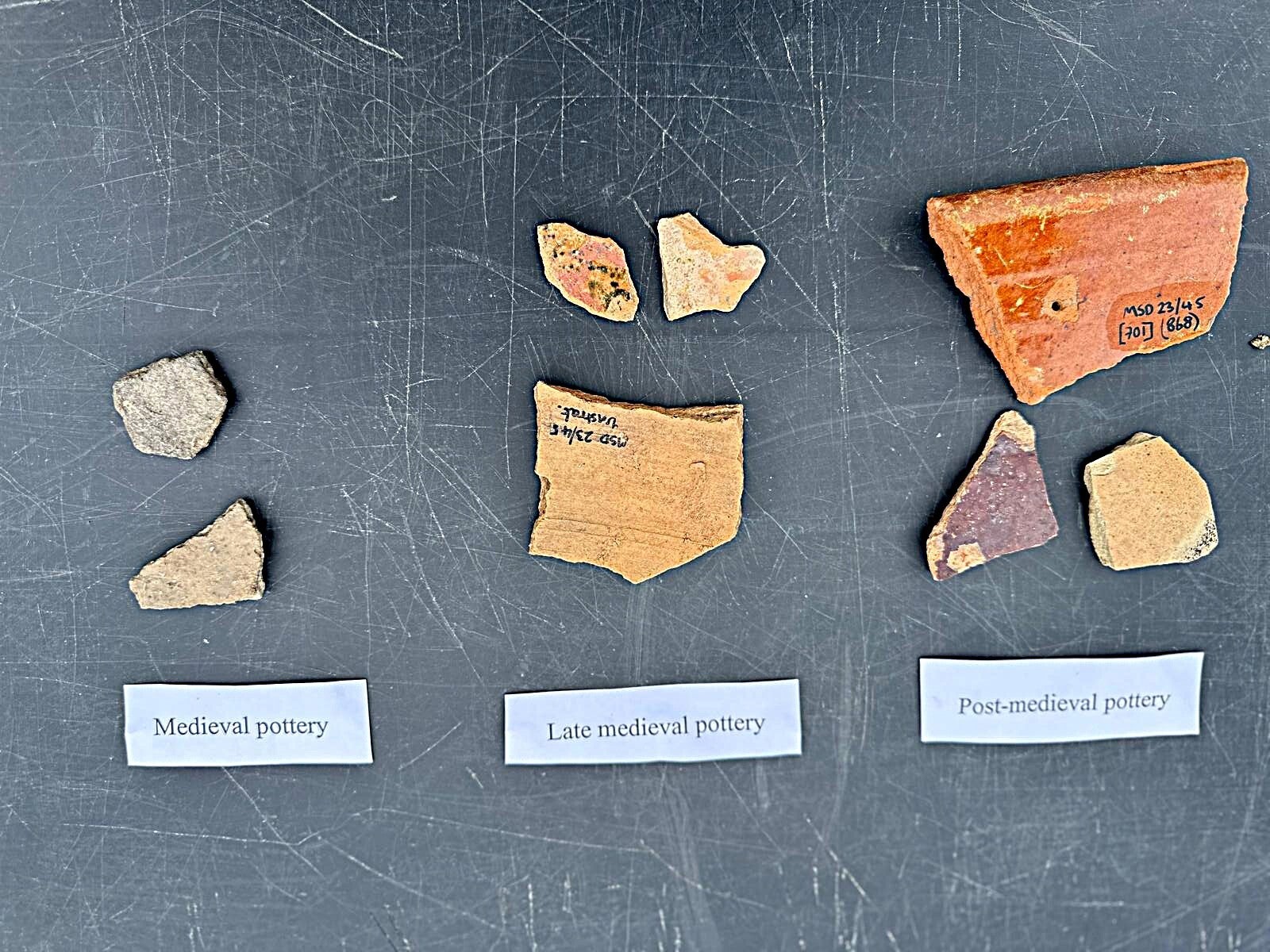
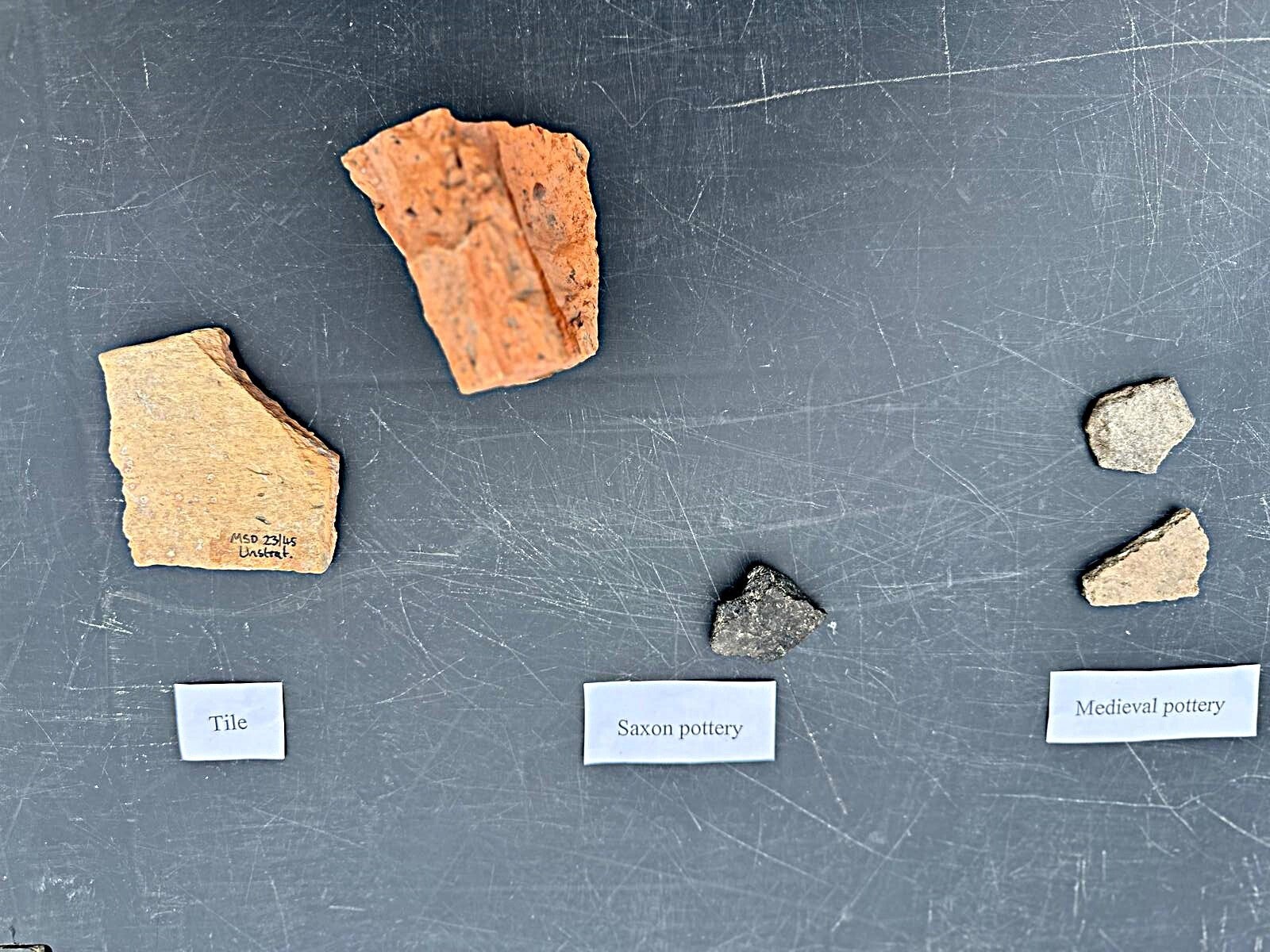
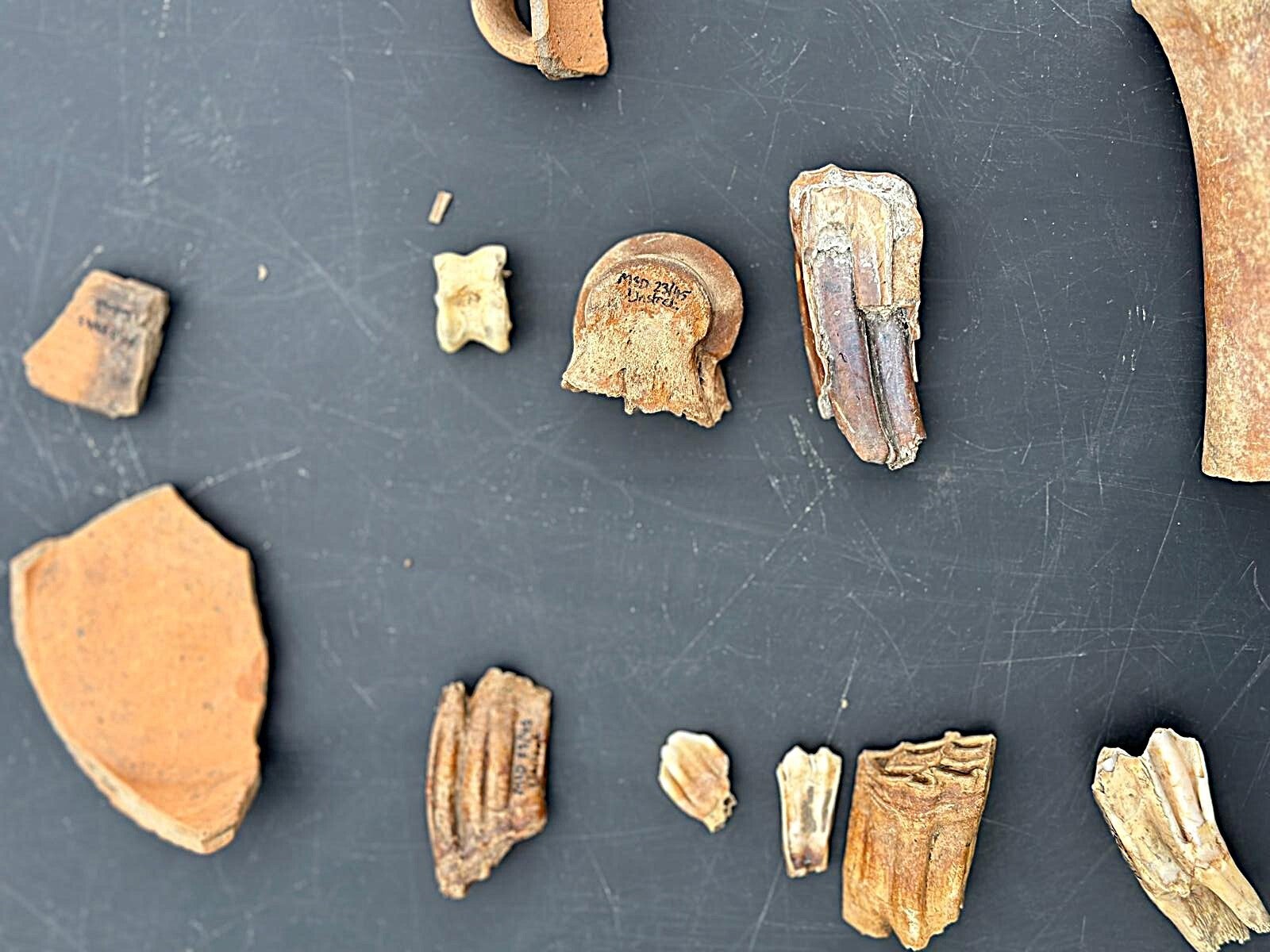
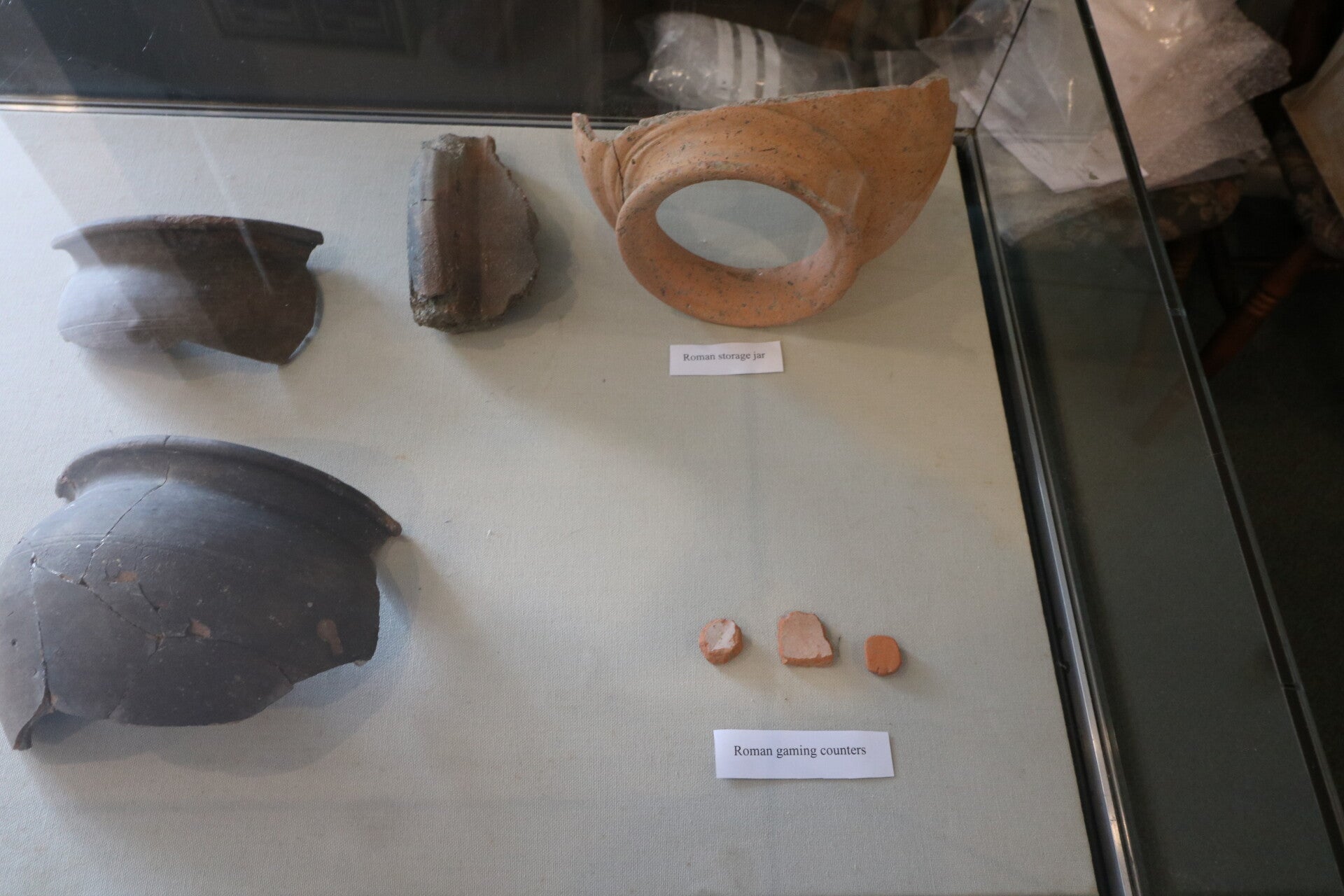
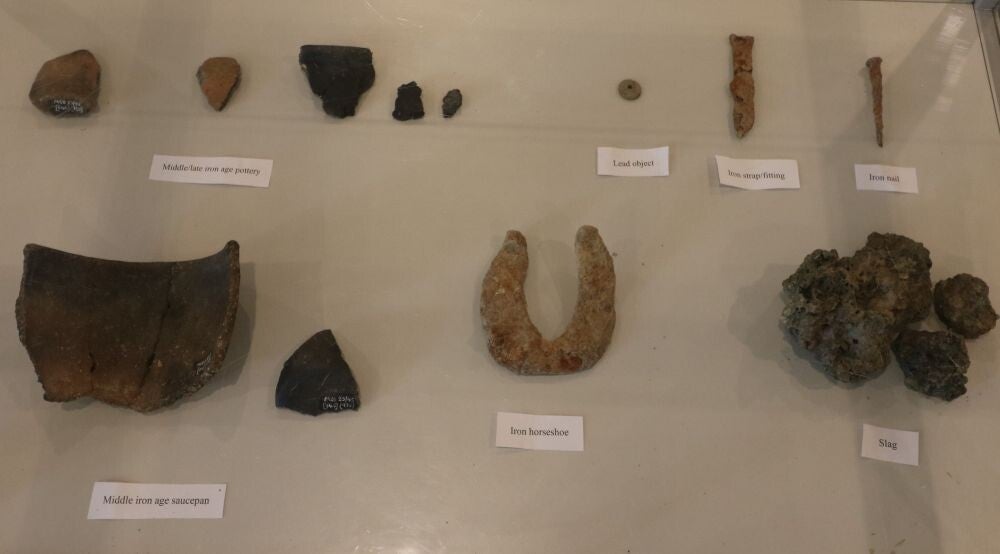
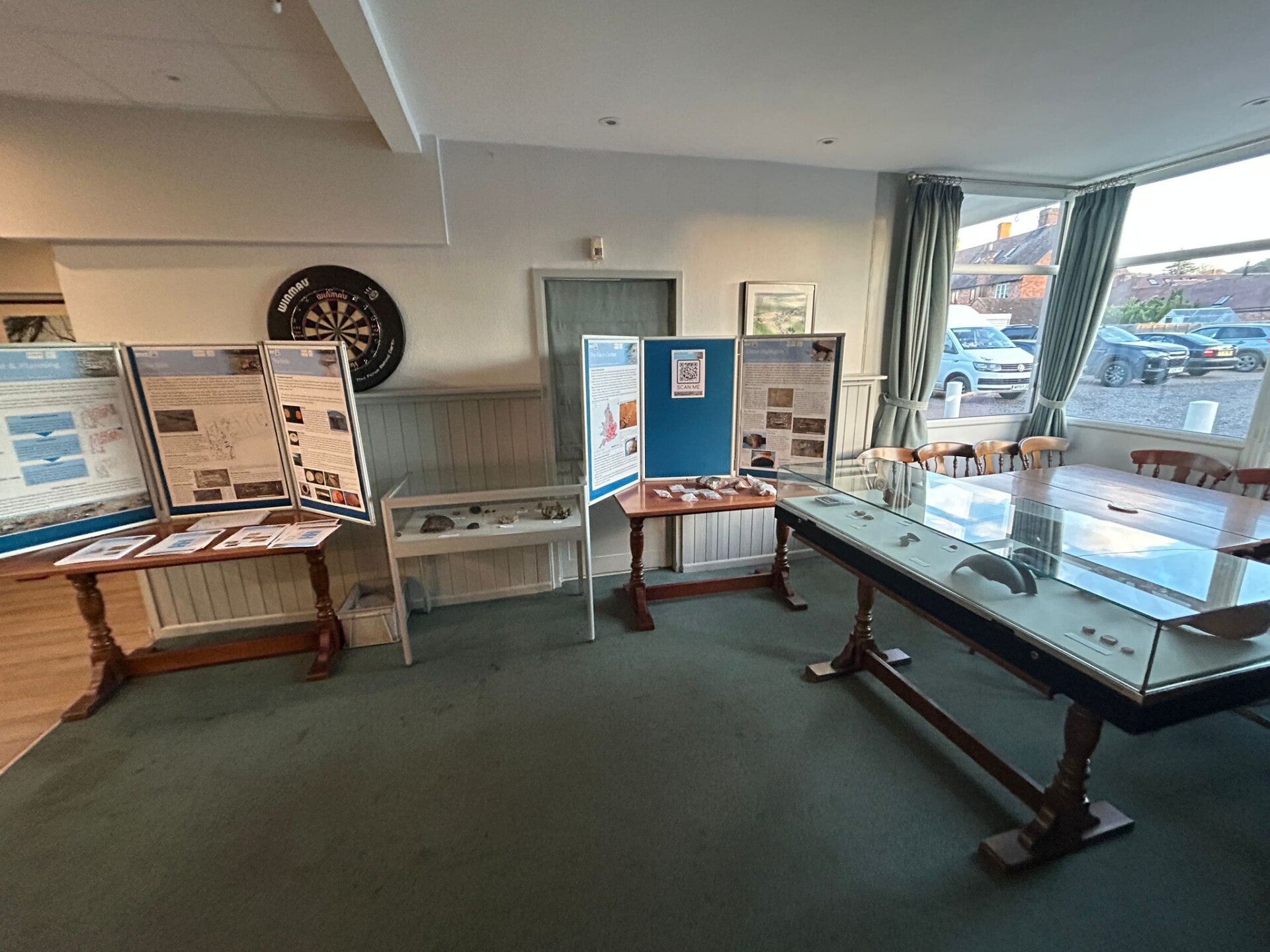
The following are selected images with some of what we learned on the day during the Open Day, plus the posters provided by TVAS at the event and below that a photo album of images taken by those who attended the event. Click on images to enlarge. There is a lot more detail on the Open Day Posters which can be seen below, saved and printed.
Acknowledgements:
The Open Day was funded by Centaur Homes the developer who is building the 13 homes on Golden Hay Field. The event was supported on the day by Thames Valley Archaeological Services. The survey is also being completed with help from ADAS provider of agricultural and environmental consultancy, applied research, and policy advice.
We are grateful to the Village Club who opened up specially for the Open Day and hosting the exhibition for several weeks afterwards so that even more villagers got the chance to see it.
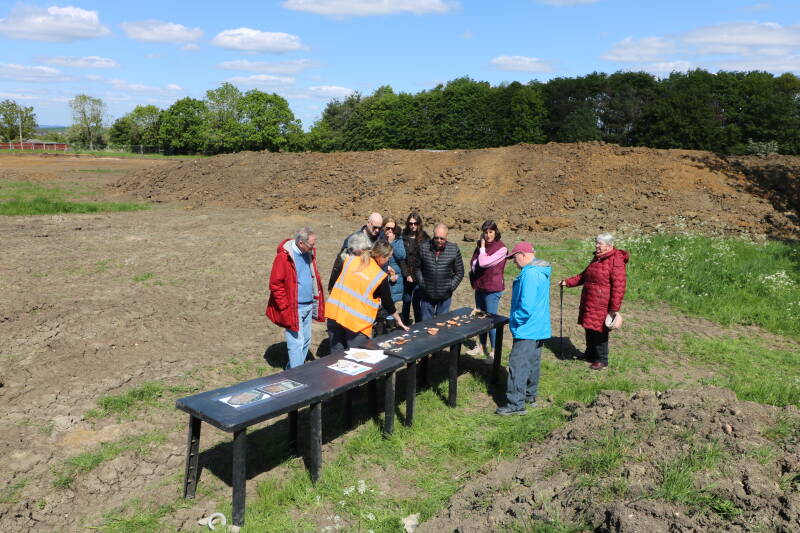
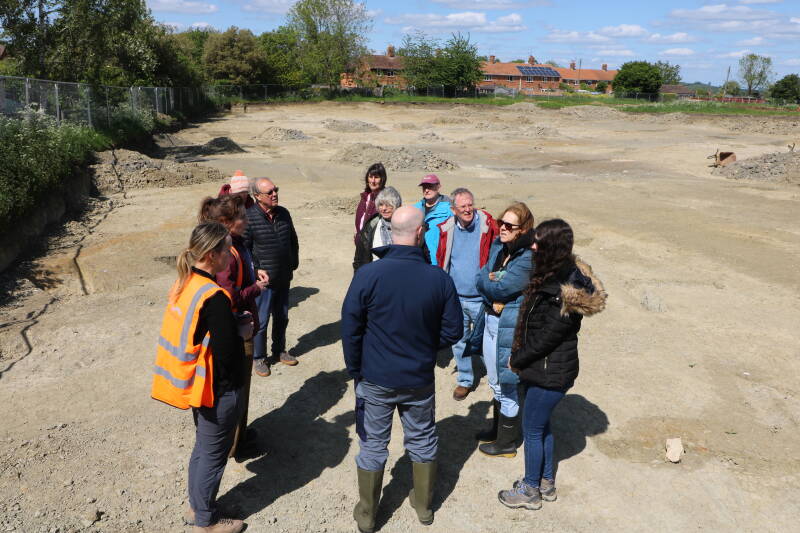
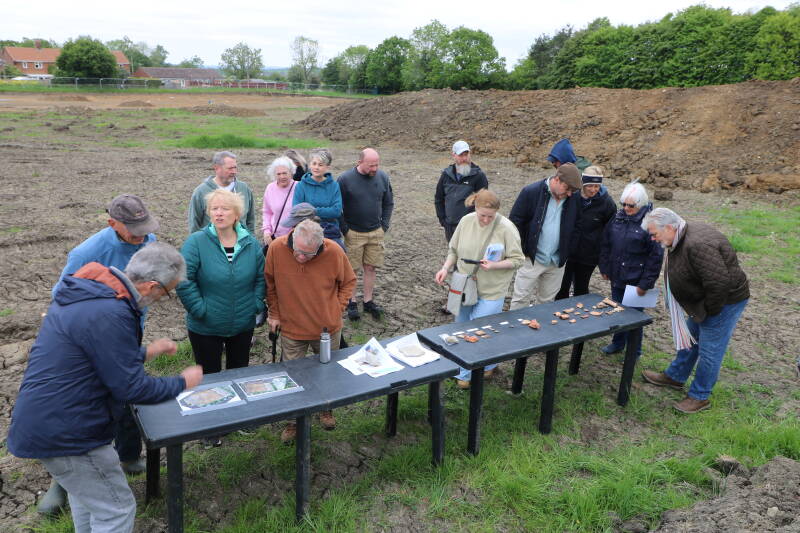
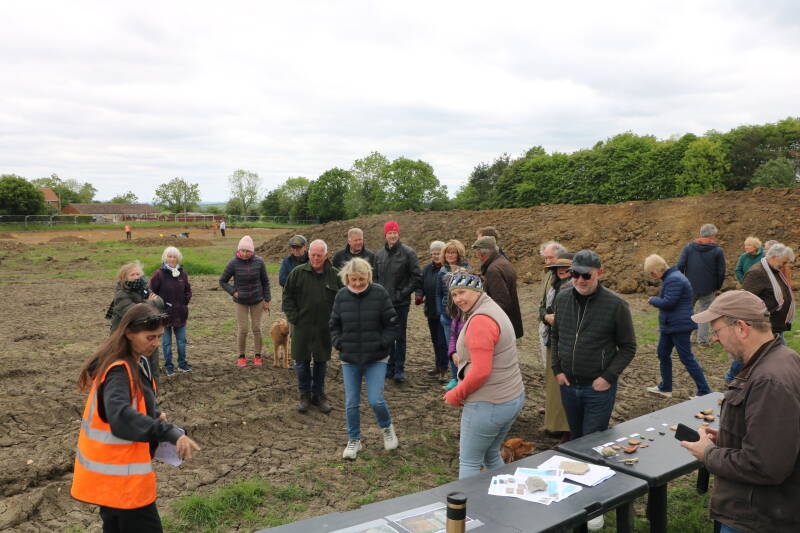
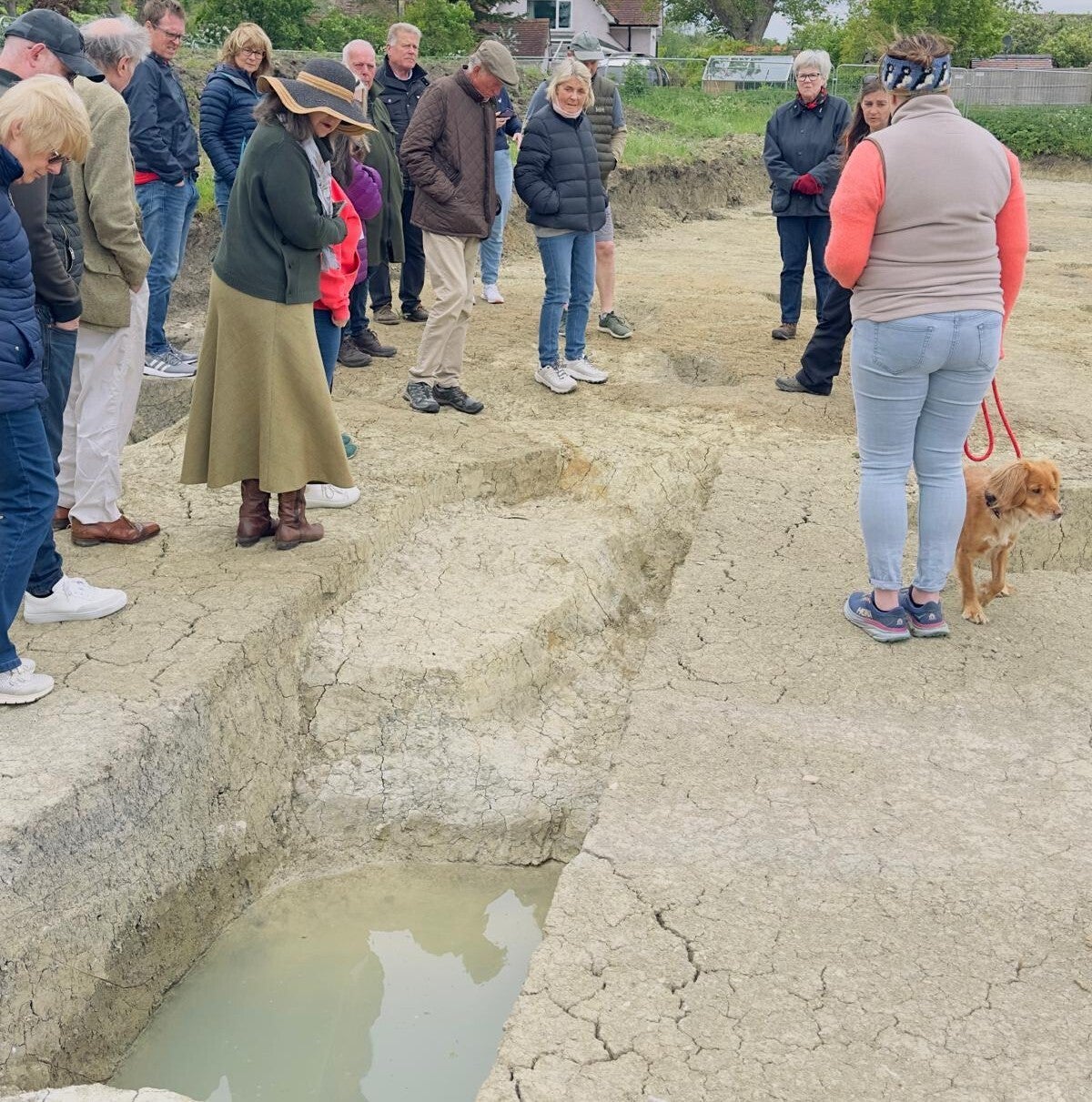
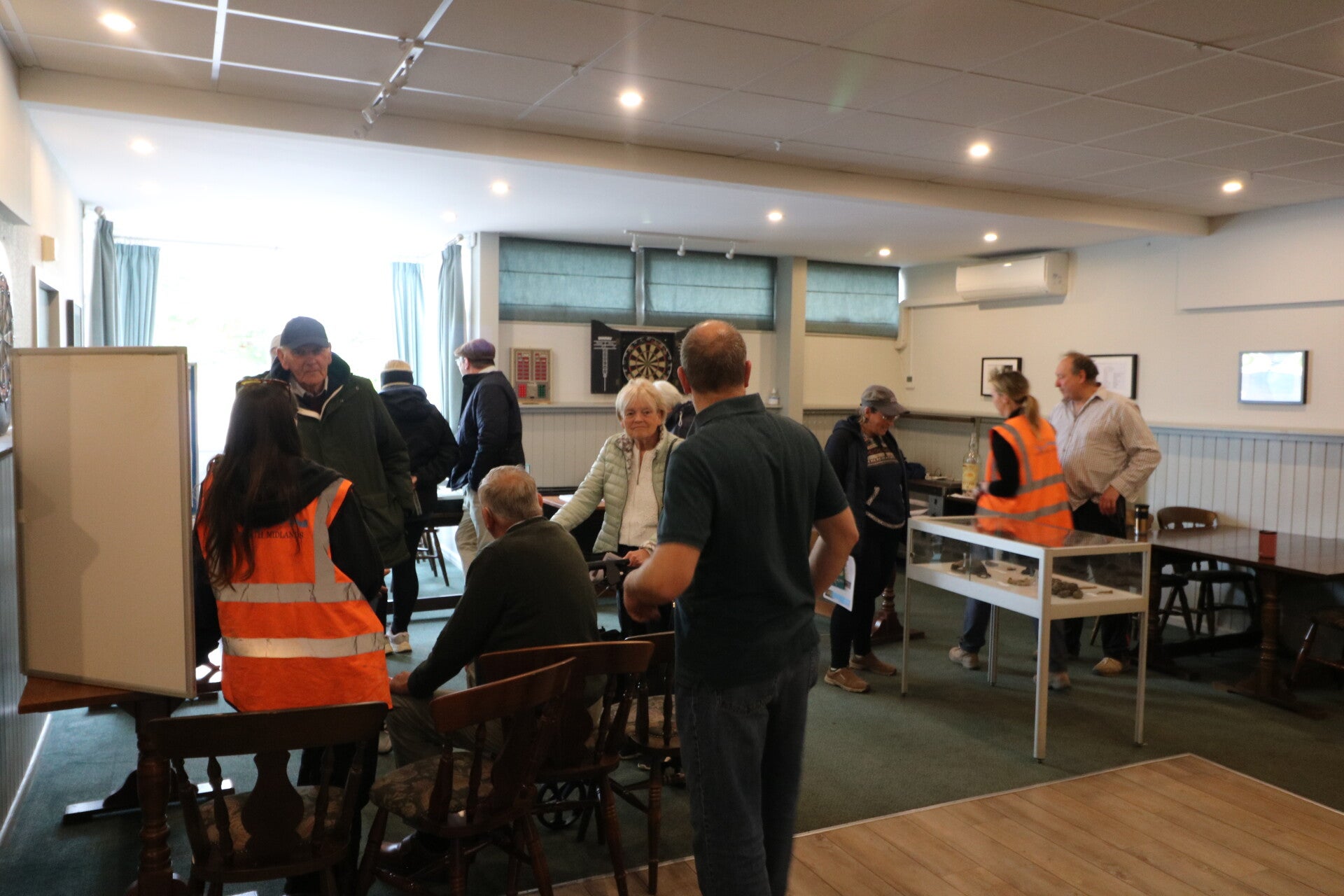
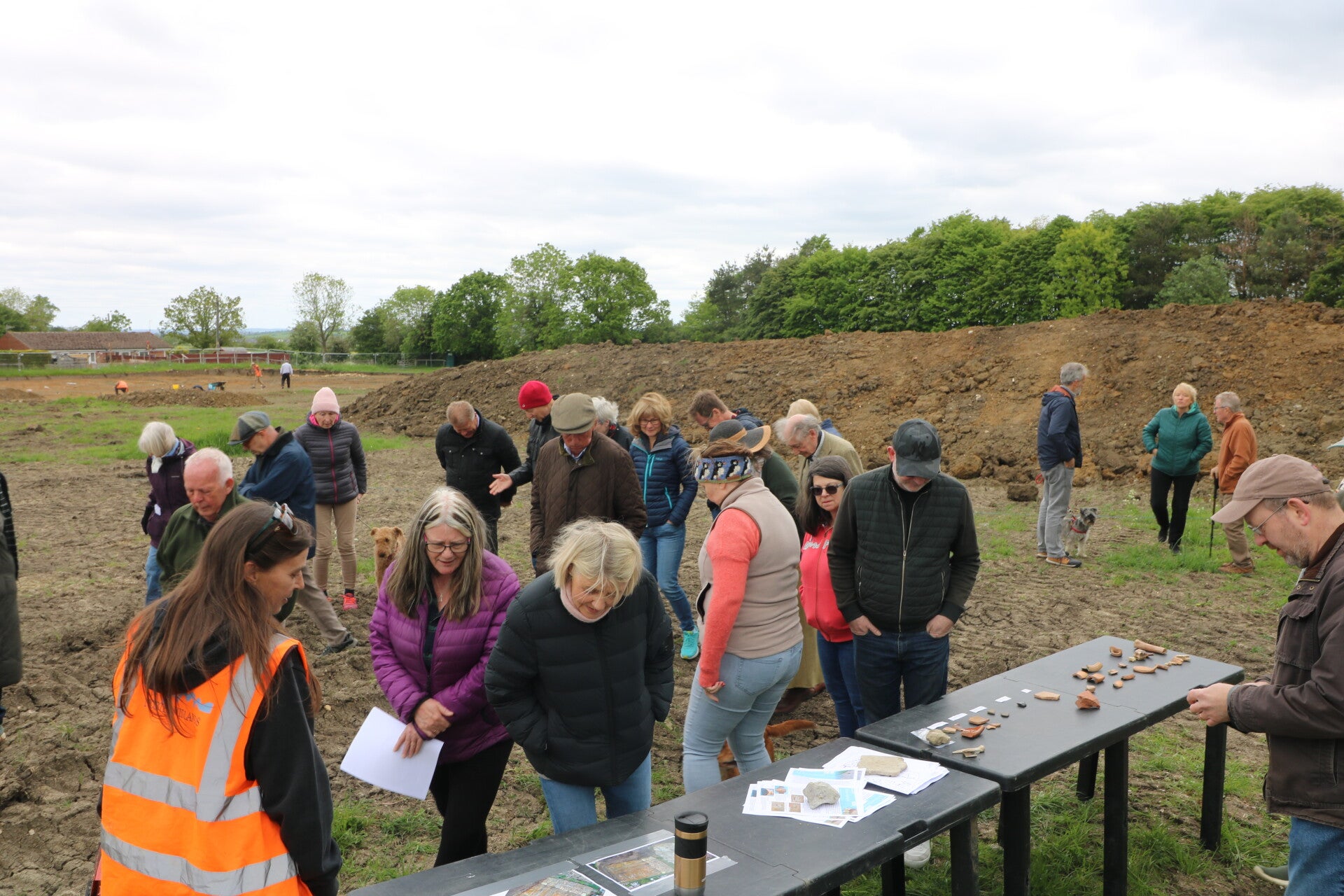
Over 60 visitors of a wide age range came to the club from the Village and in some cases surrounding villages. Each had the opportunity to read the presentation boards kindly prepared by TVAS.
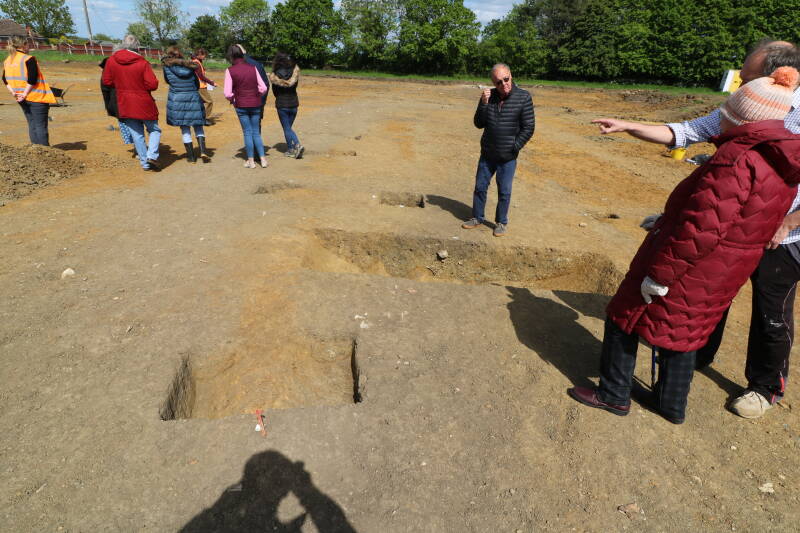
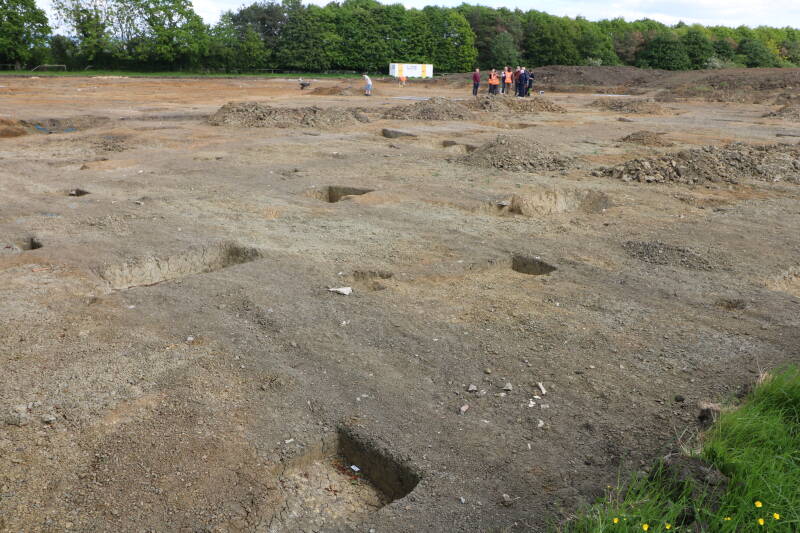
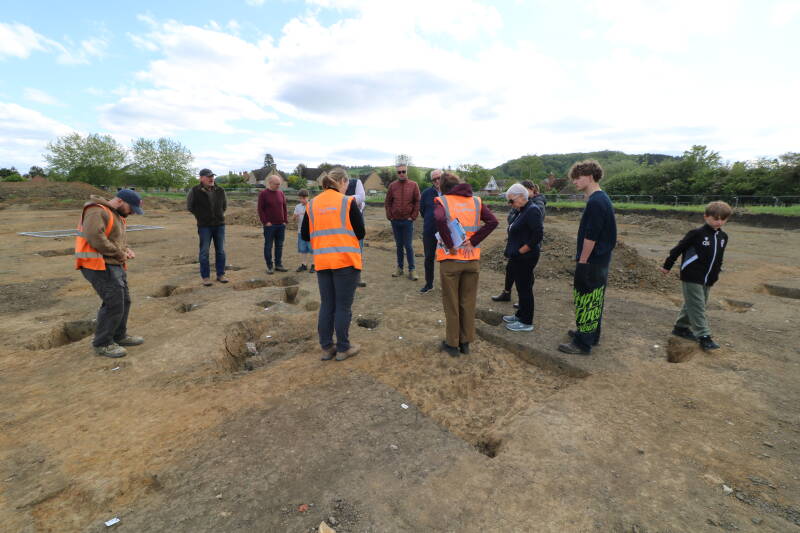
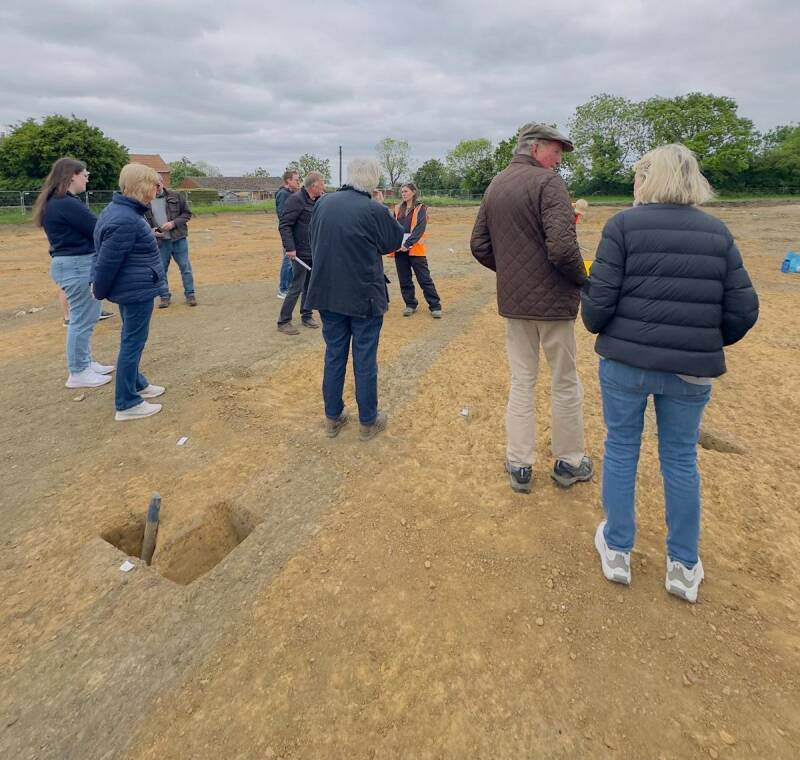
An archaeologist from TVAS led each group of 5 to 15 or more around the site explaining where Finds had been made and why different sizes and shapes of trenches had been dug. They answered a plethora of questions adding more detail and insight into their work and how the settlement had evolved over time.
The feedback from those who attended was extremeley positive with everyone saying how friendly and informative the archaeologists were.
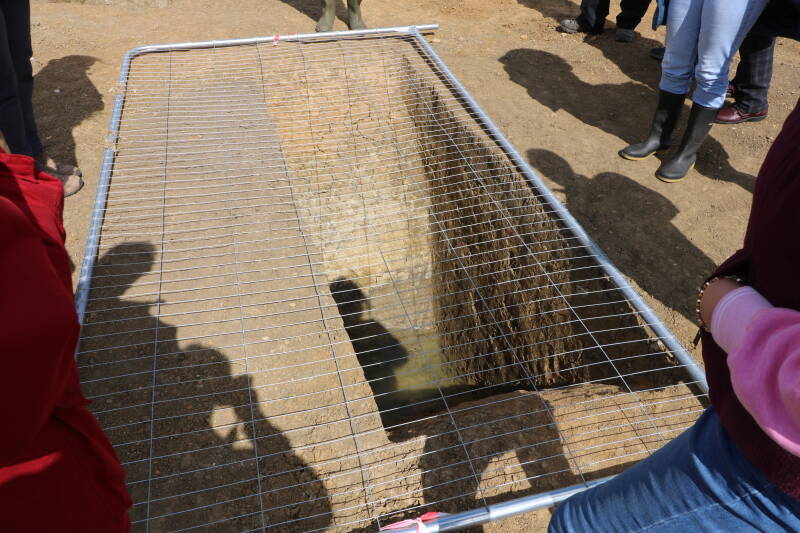
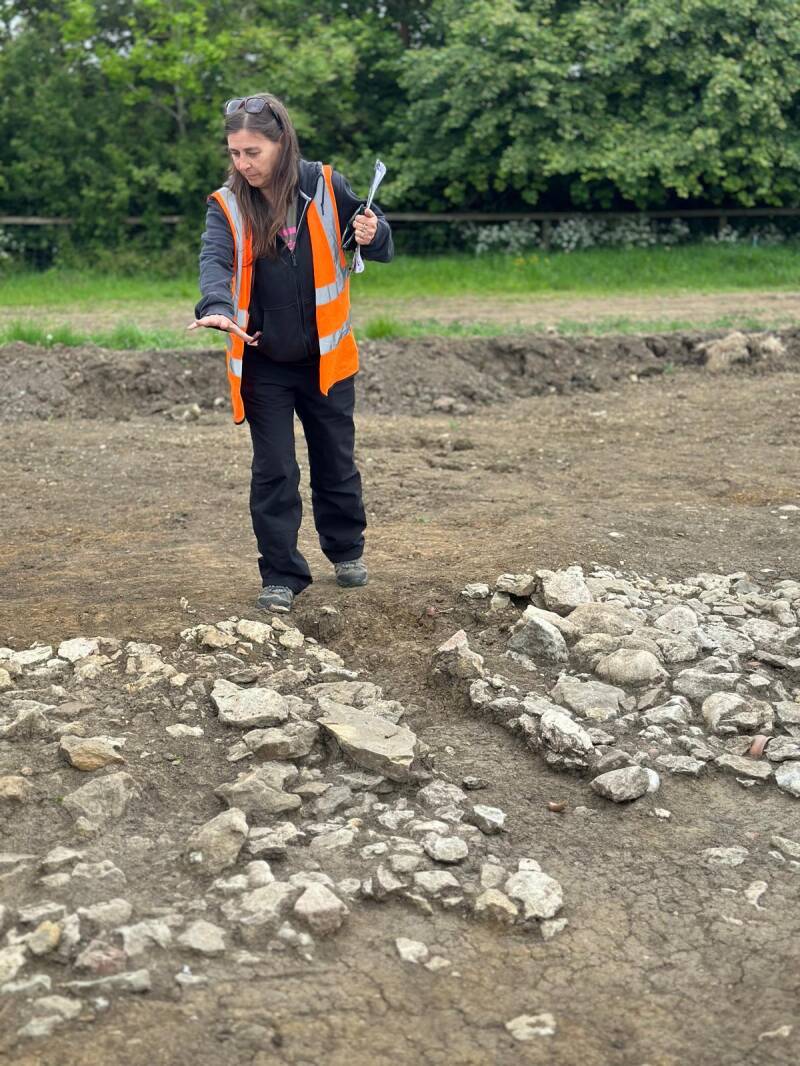
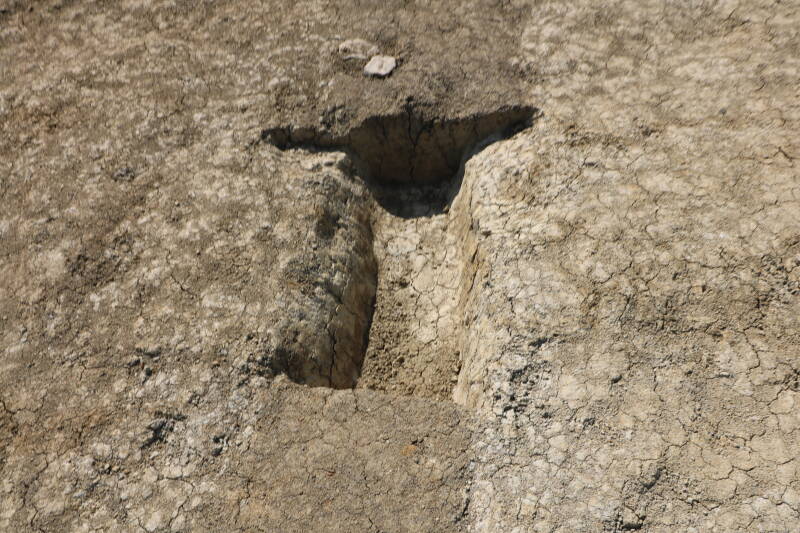
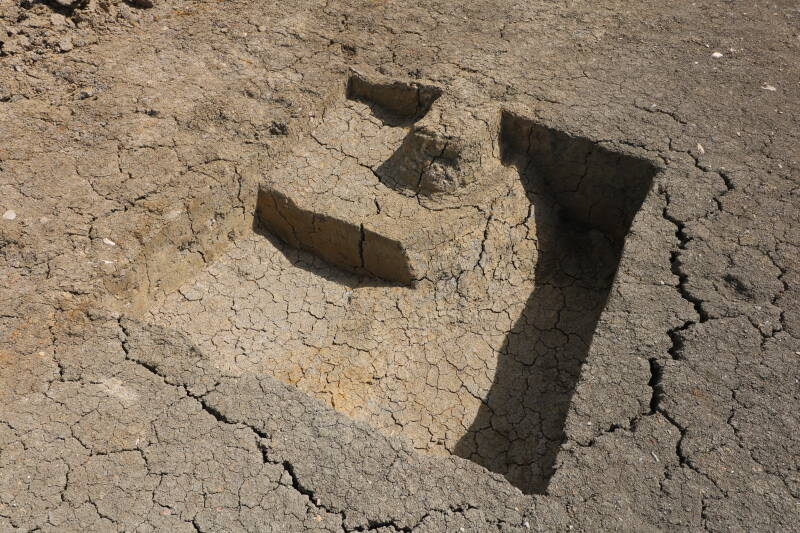
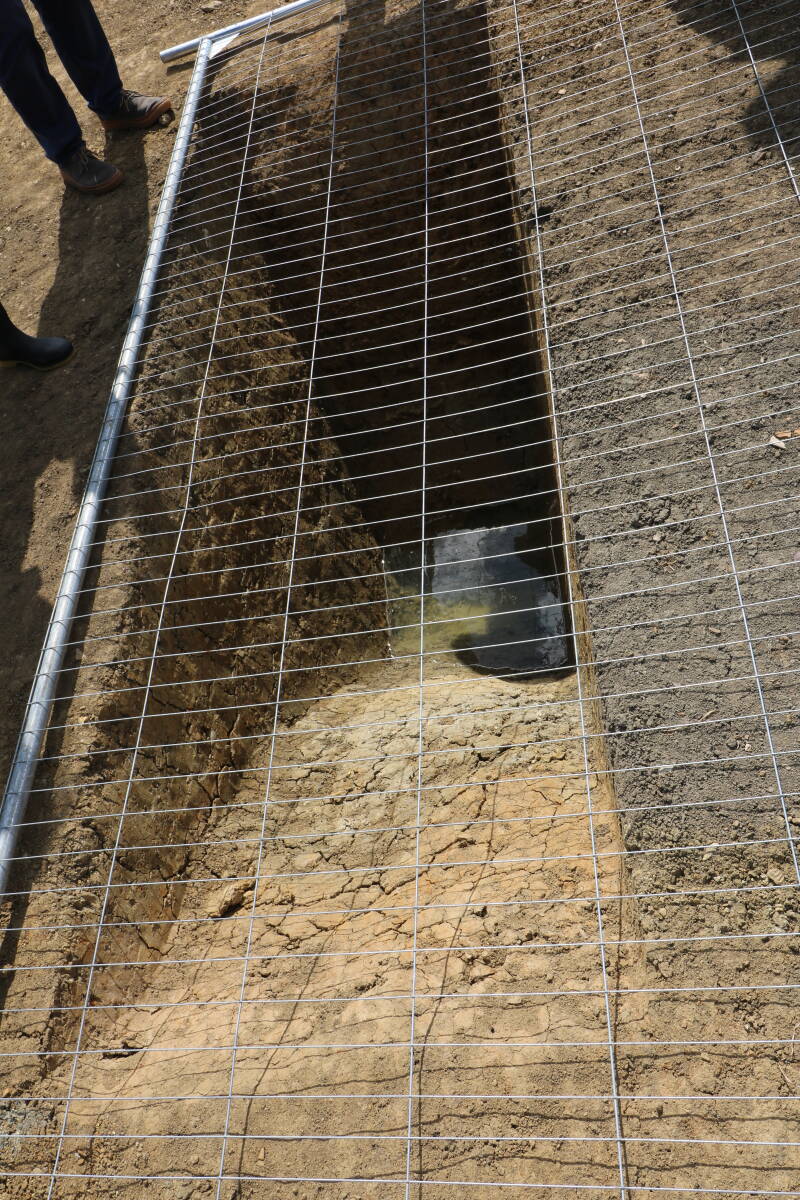
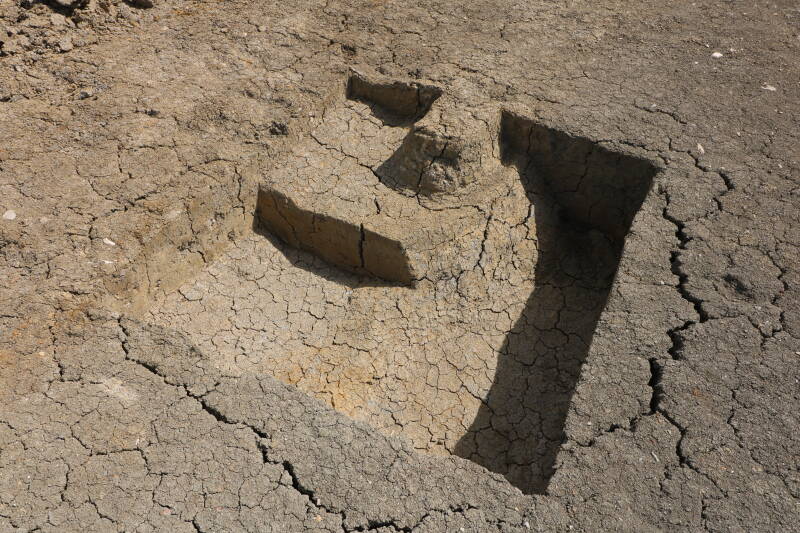
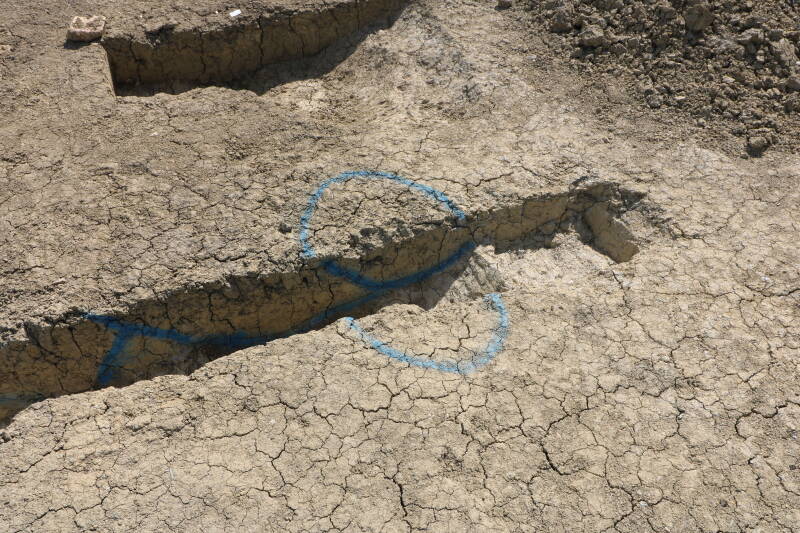
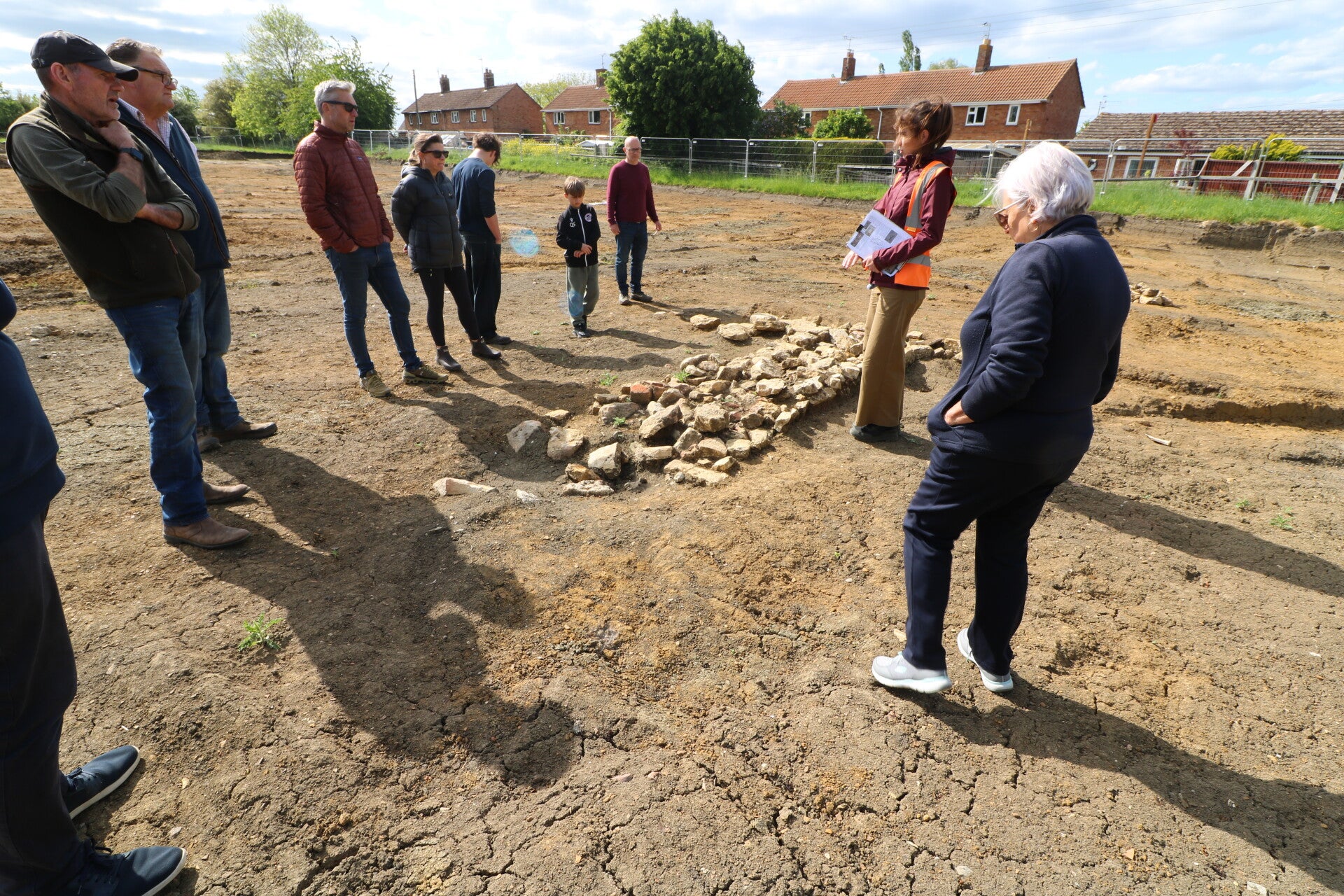
This image shows the remains of roman grain drier which has been partially dug. A fire at one end would have provided heat between two wall (currently filled with rumble) into a drier area. The presence of this structure is part of the evidence for a Roman settlement and the grain is likely to have been provided to a higher ranking Roman, perhaps at a nearby villa.
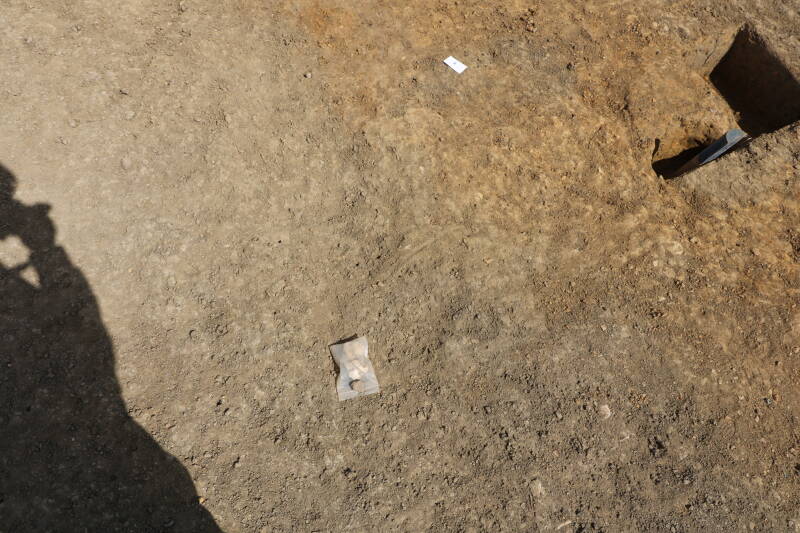
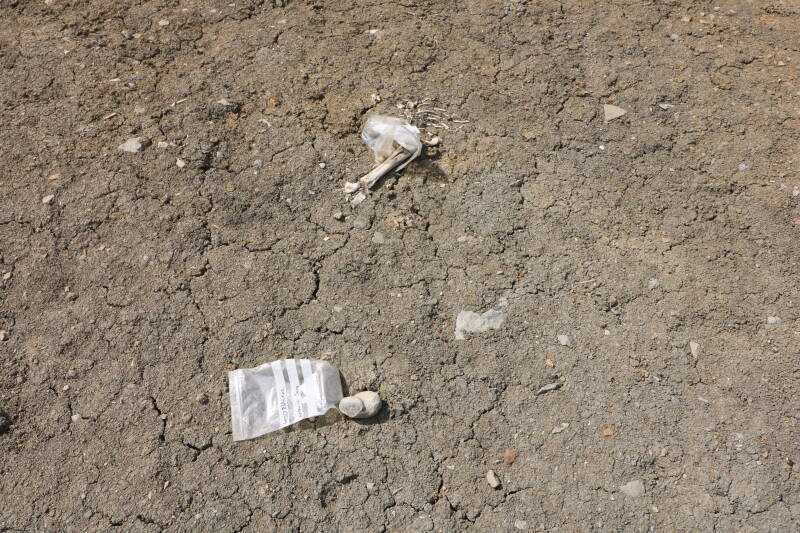
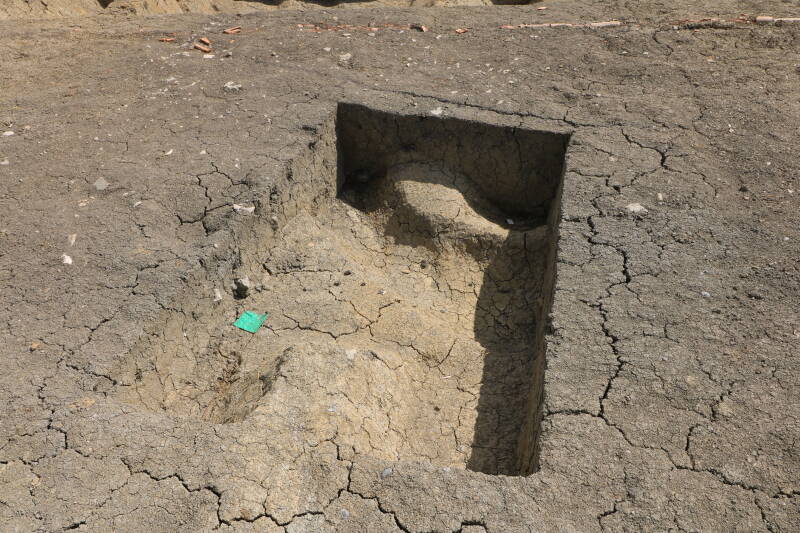
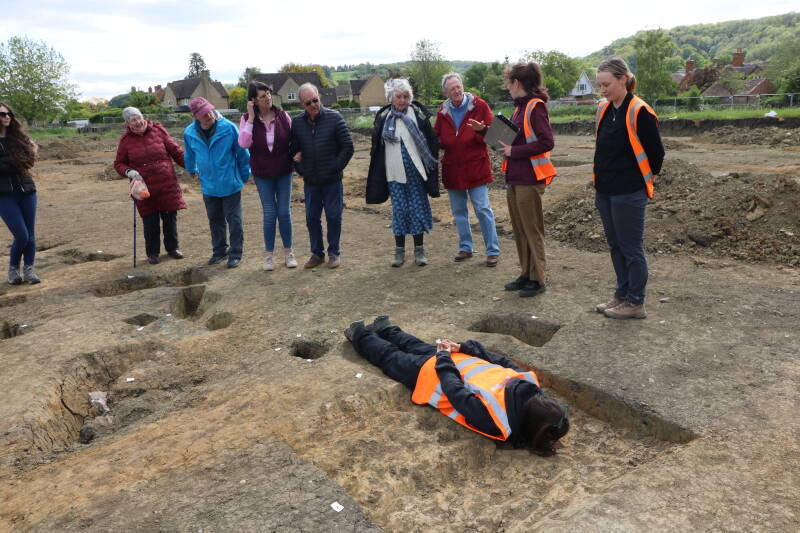
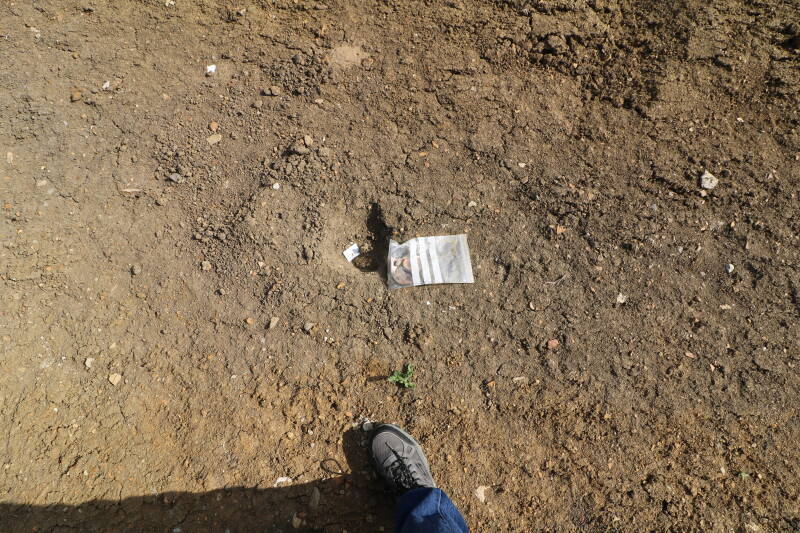
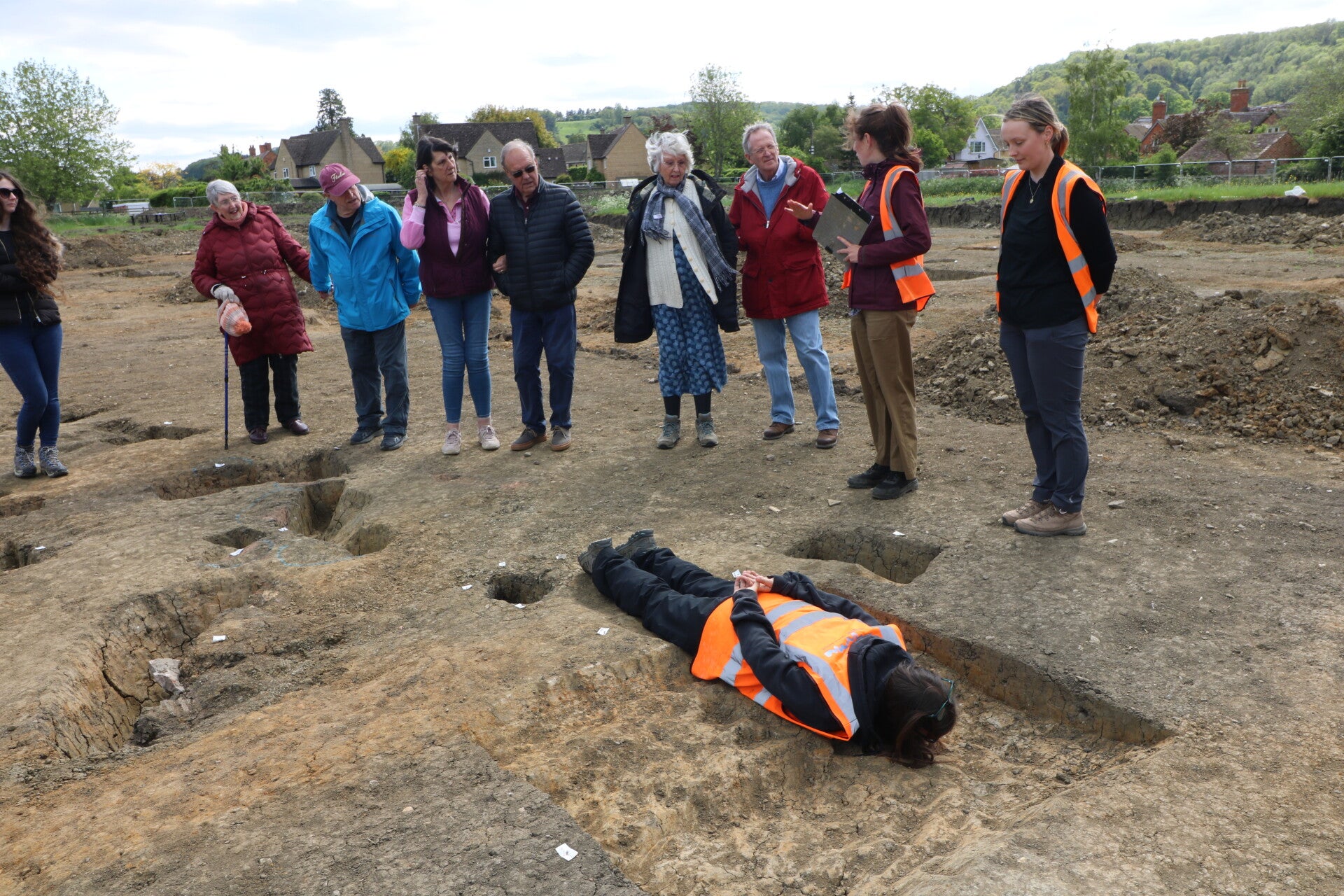
This image shows the very shallow grave that a partial (lower half) skeleton was found in. The original position of the body was recreated by one of the archeaology team. The excavation around the torso area indicates one or more ditches have been dug over the period and probably explains why the top half of the skeleton is missing. The the body was face down and the hands were positioned at the back of the body as if they had been bound. Archaeologists on site suggest it is a female with bones of and adult aged about 40 years old. The bones have been taken away for analysis when more will be known.
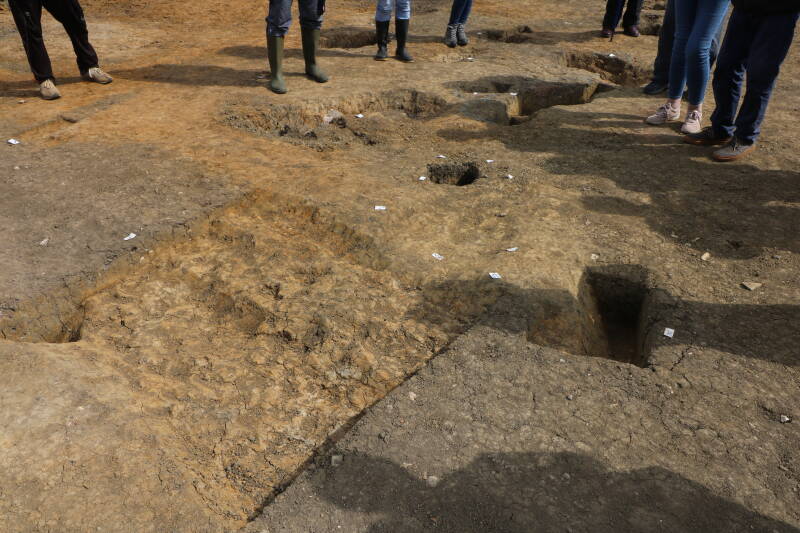
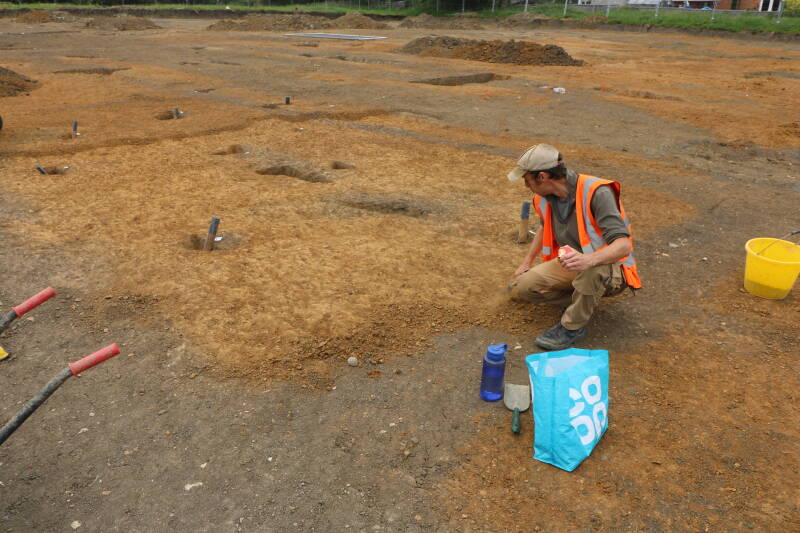
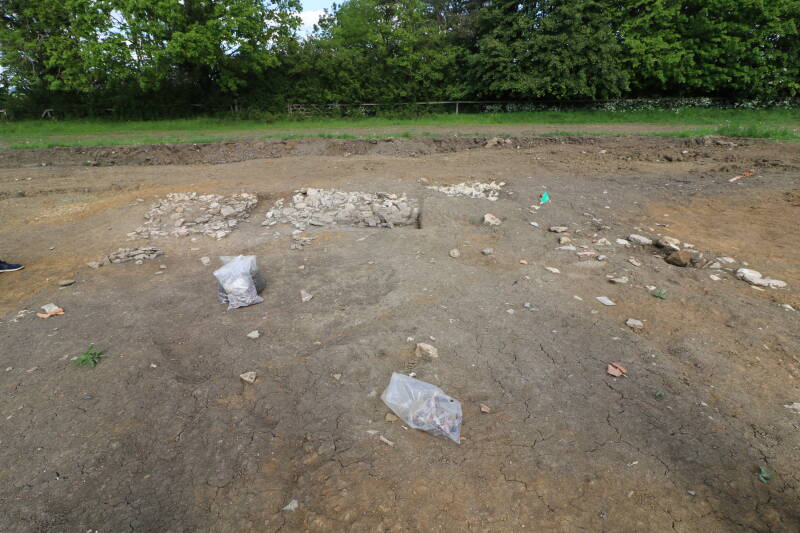
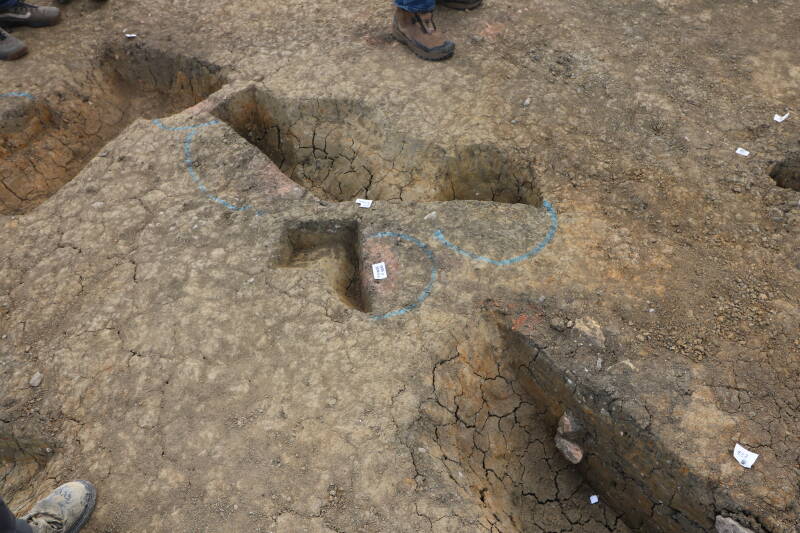
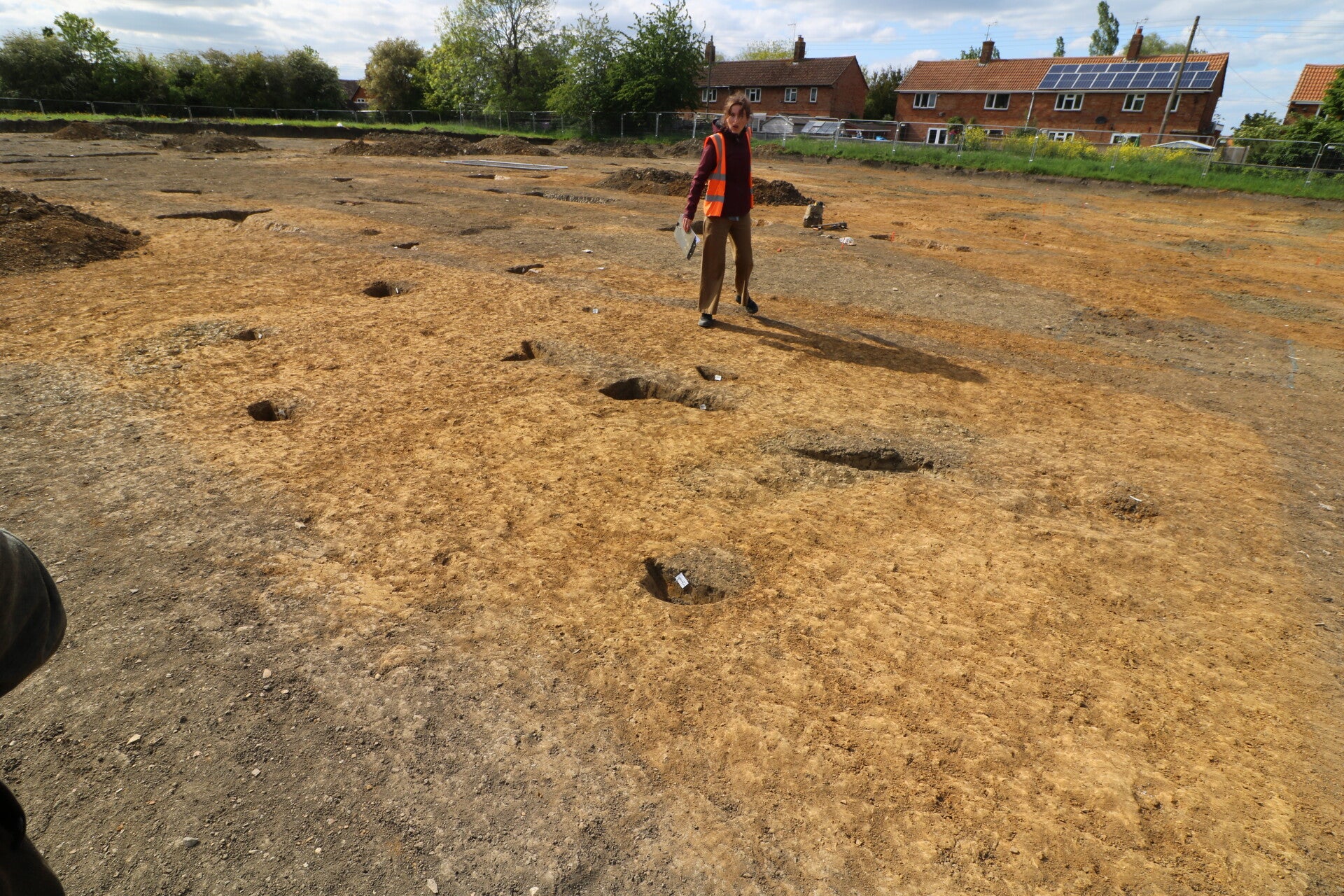
This image shows post holes from an iron age dwelling. This would have been a circular shape with a conical roof. At this point in the dig only one half of the post holes had been revealed.
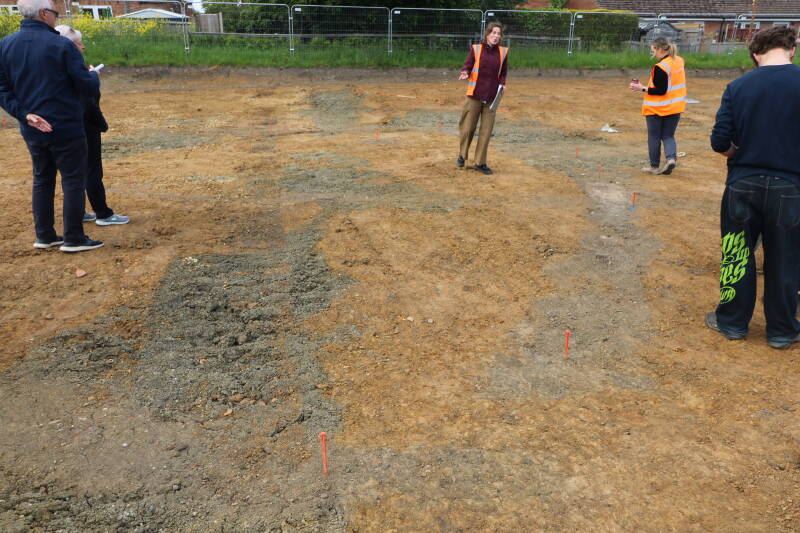
The grey soil around and across this iron age structure is the result of Roman activity that replaced this. The grey soil were probably drainage ditches.
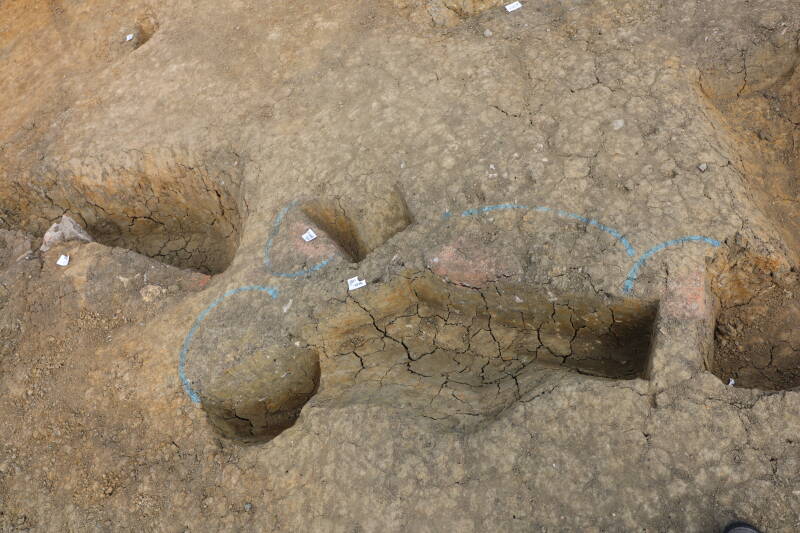
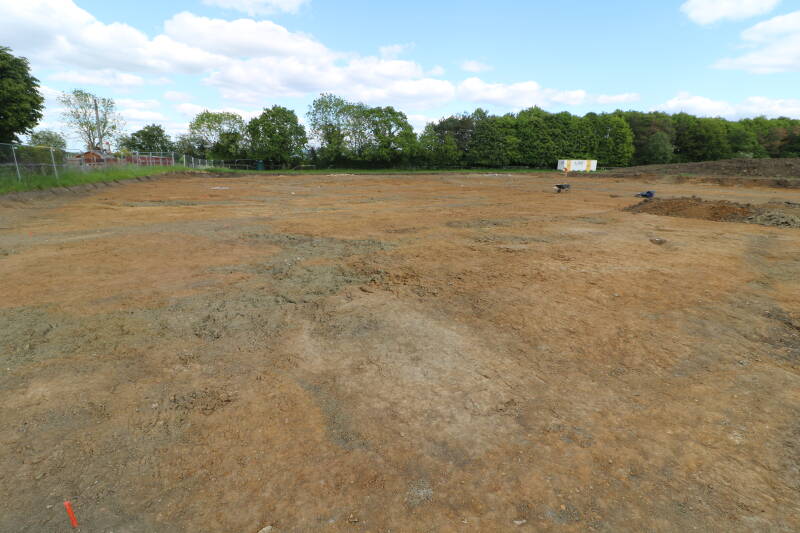
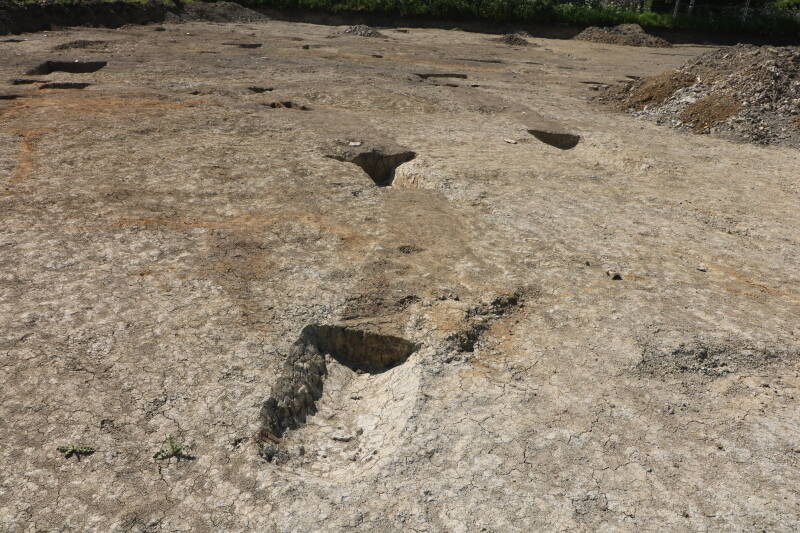
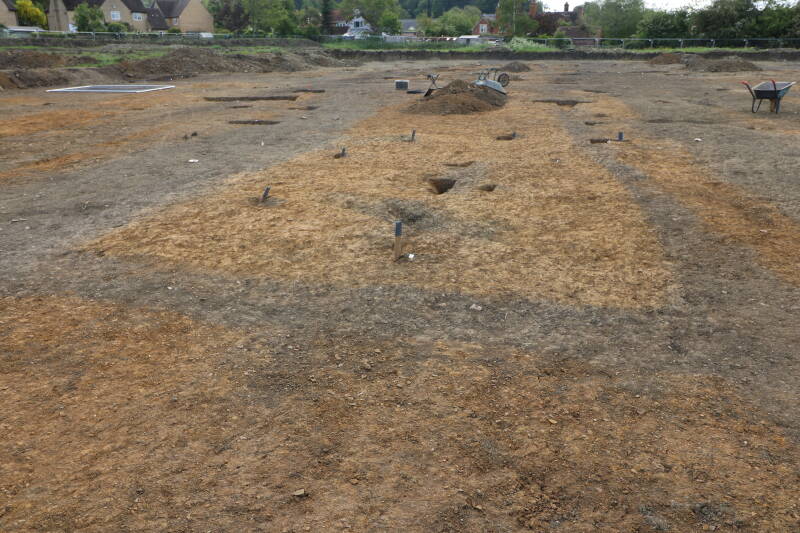
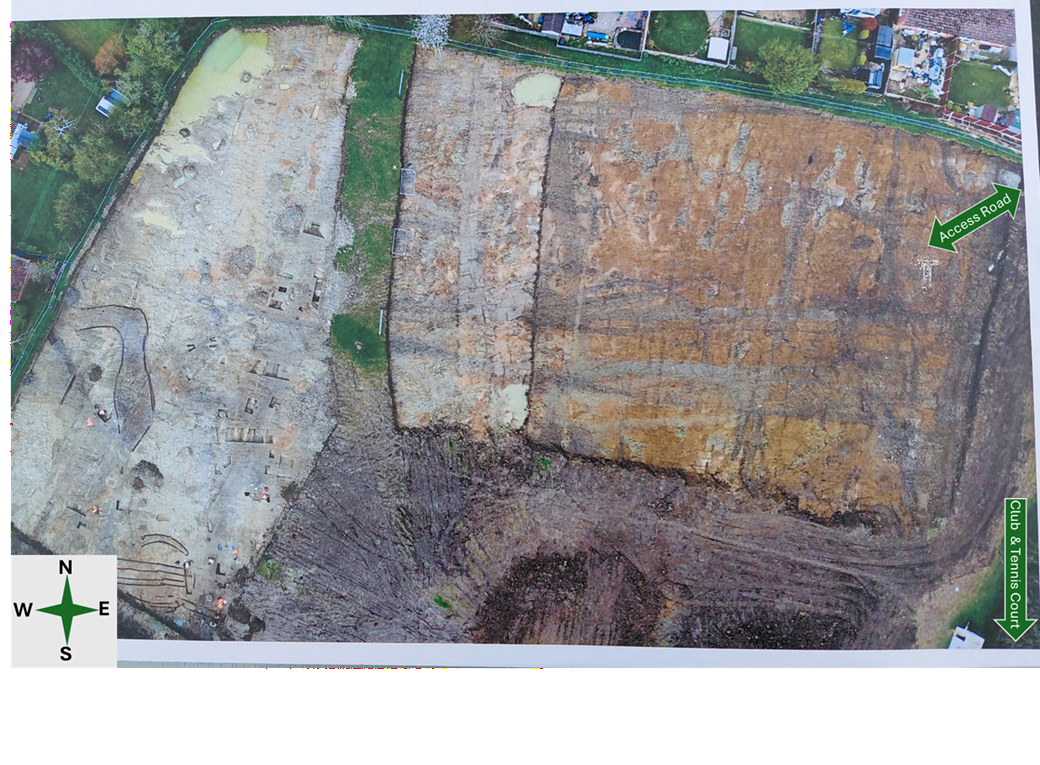
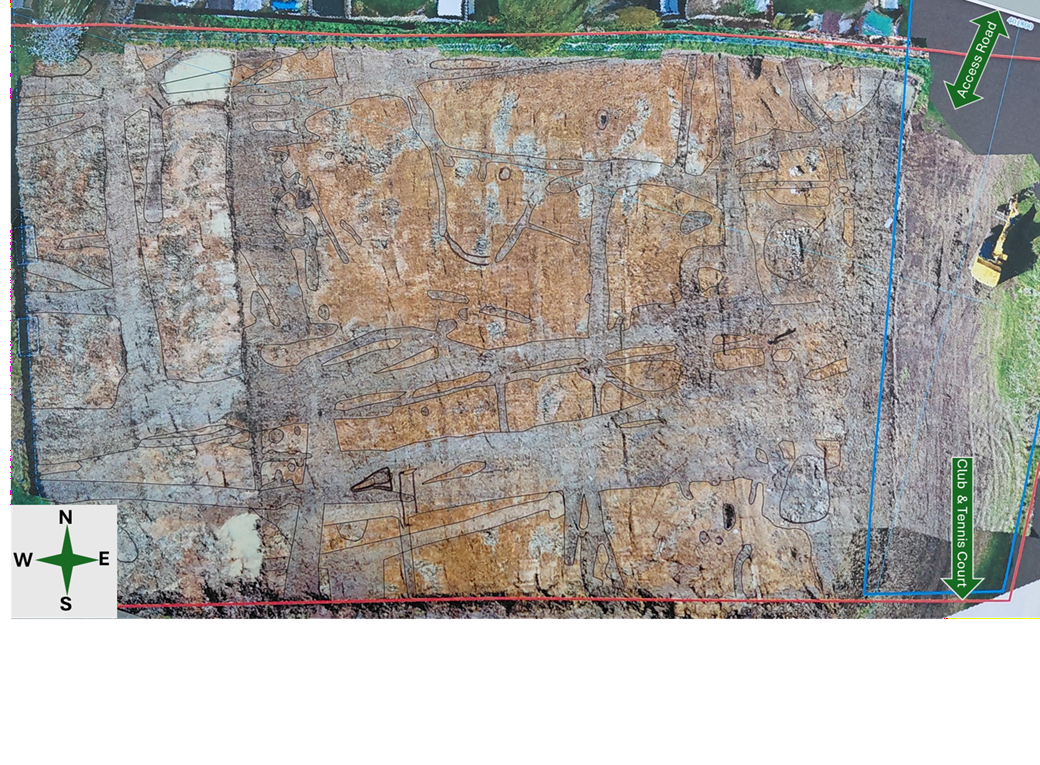
The entire build area was photographed by TVAS. This shows distinct changes in soil colour and helps the archaeologists deduce where the soil has been disturbed and trenches or graves dug. The straight lines of some trenches indicates Roman activity while other shapes may suggest how the settlement looked before their arrival. The north area of the field has been marked up by Archaeologists and shows how different soil colours and analysis of the dig suggests the location of many intersecting trenches that were created on the site for buildings, walls, and drainage and even burials, from the late Iron Age and Roman period.
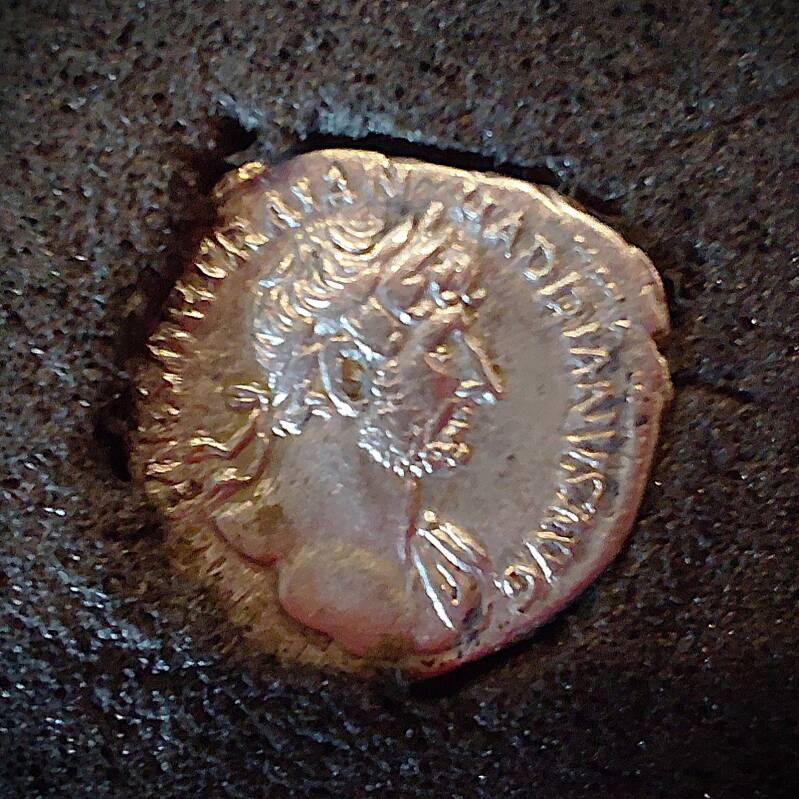
Silver Coin
Metal: Silver
Denomination: Denarius
Date: AD 119-120
Issuer: Hadrian
Mint: Rome
O/ IMP CAESAR TRAIAN ! HADRIANVS AVG - Laureate draped bust right of emperor.
R/ PM T[R] P C|OS III. /AETER ! AVG - Aeternitas standing facing, head left, holding busts of the Sun (radiate) and Moon (crescent head).
Size & Weight:
19.8x18.2mm
3.33g
Axis:6h
Reference: RIC II.3/202
Date can be quite precise in this case thanks to the title of Hadrian. He was Consul for the third time in 119. After 128 he usually bears the title of Pater Patriae, not marked here. The personification of 'Eternal Time' emphasizes the permanence and divine stability of the Roman Empire under his rule. Very symbolic image, with Aeternitas having dominion over day and night. Later, under successors of Hadrian, imagery will evolve with Aeternitas holding rather a phoenix on a globe (=cyclical rebirth).
The find is not enough to establish the status of the site but a very nice example.
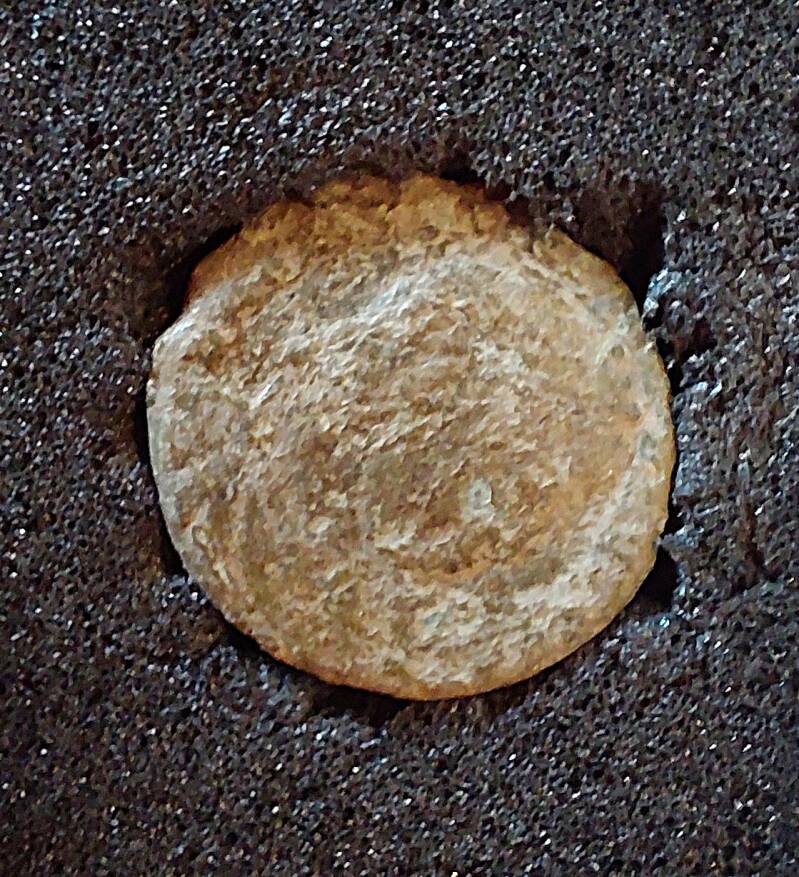
Copper Coin
Metal: Copper Alloy
Denomination: Aes 3
Issuer: Valentinian dynasty
Mint: - Unknown
Date: AD 364-378
O/ [ ... ] - Diademed and draped bust right of emperor.
R/ [GLORIA ROMANORVM] - Emperor advancing right, dragging a kneeling captive by his hair and holding the
labarum (standard with Christ symbol) in his other hand.
Size & Weight
17.8x17.1mm
2.34g
Axis:12h
Reference: -
Very common late Roman type. Could likely be emperor Valens or Valentinianus on obverse. In too poor
condition to identify mint. Showcase the victory over "barbarians" and the stability of the Empire.
Open Day Posters provided by Centaur Homes, TVAS and ADAS.
Open Photo Album