Village Hall Index
On a seperate page are details of the Old Rectory
See below for
- Bank Farm
- Butcher
- Club Cottage
- Cottage 31/32
- Dairy
- Estate Office
- Gables
- Ivy Cottage
- Leyfield Farm
- Mill
- Palaces
- Police House
- Post Office
- Sycamore Cottage
- Shelter (bus)
- Thatched Cottage
- Yew Tree Cottage
Bank Farm

Butcher
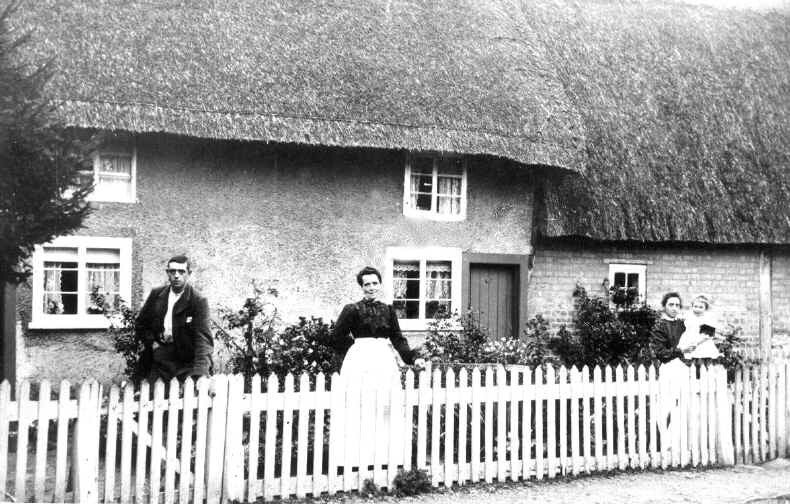
During 19th and the early part of the 20th centuries the butchery business was owned by the Staight family. Joe Staight was the butcher from 1880. He succeeded Alf Dudfield as the village butcher. The butcher's cottage on the left with the Church and Holland Fountain in the background, and on the right Joe Staight's family outside their cottage.


Clubhouse (New)
The cottage in New Clubhouse Lane (now a private road leading to the Village Club) which was demolished when the new clubhouse was built

Cottages 31 and 32.
The date of this picture is unknown although it is obviously before the road to the village club was surfaced, and before the development of Silver Hay Photograph kindly loaned by Mr Michael Casey

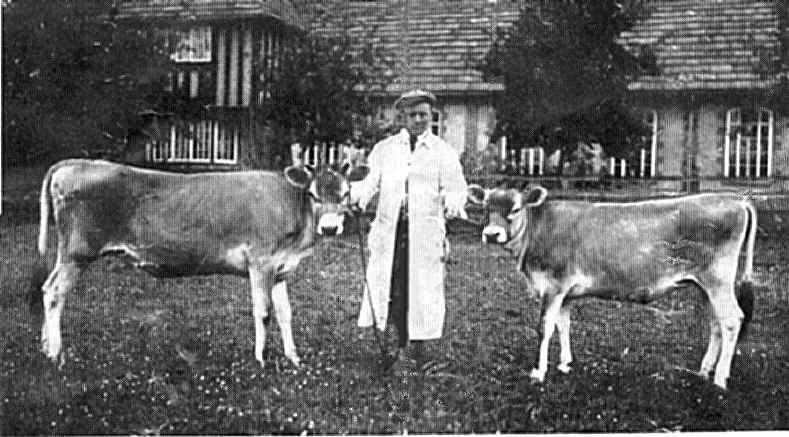
The Dairy
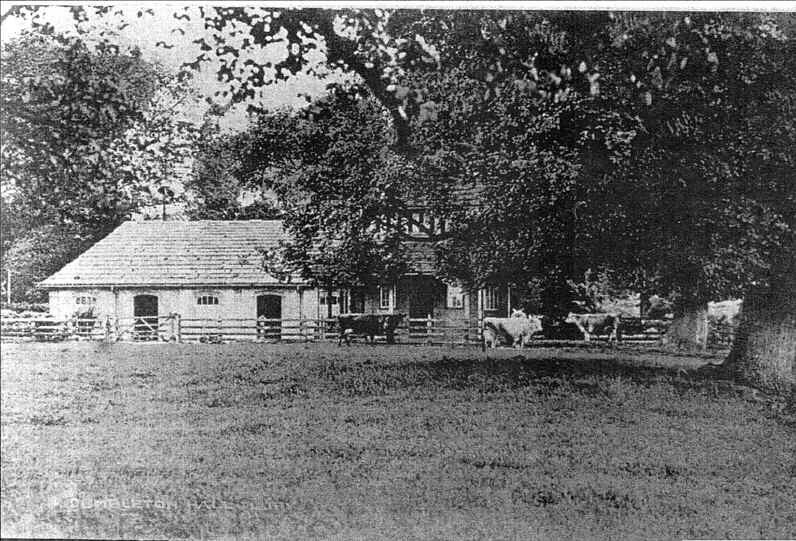
View of the Dairy from the east. Dairy Lane would eventually run to the right of the picture.
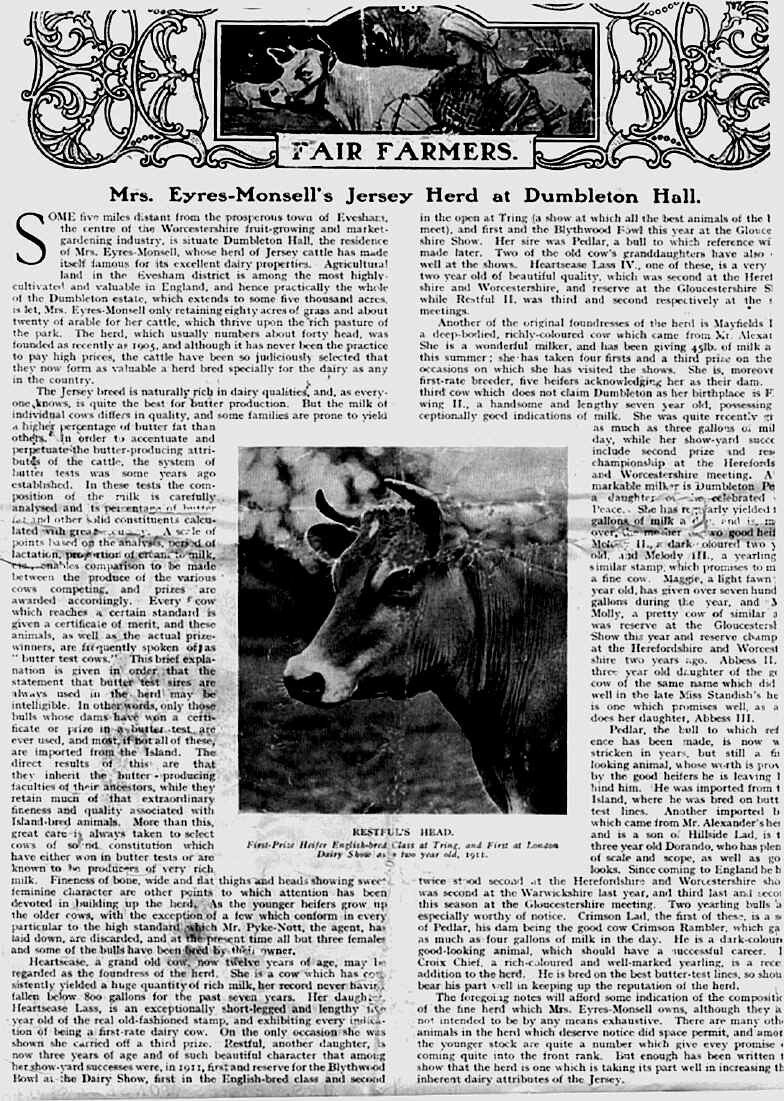
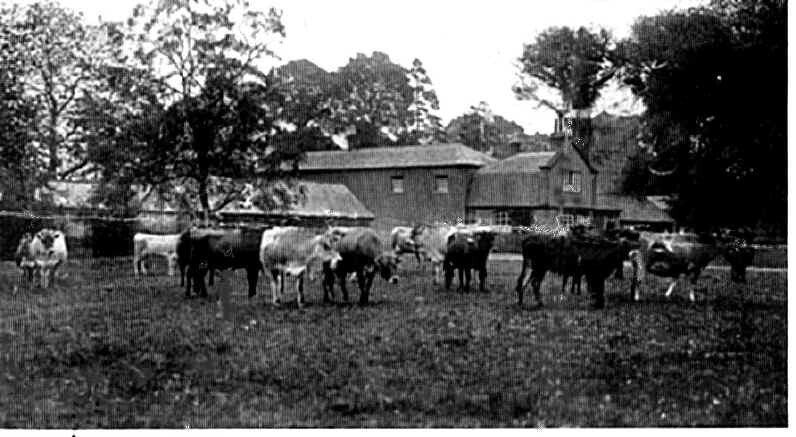
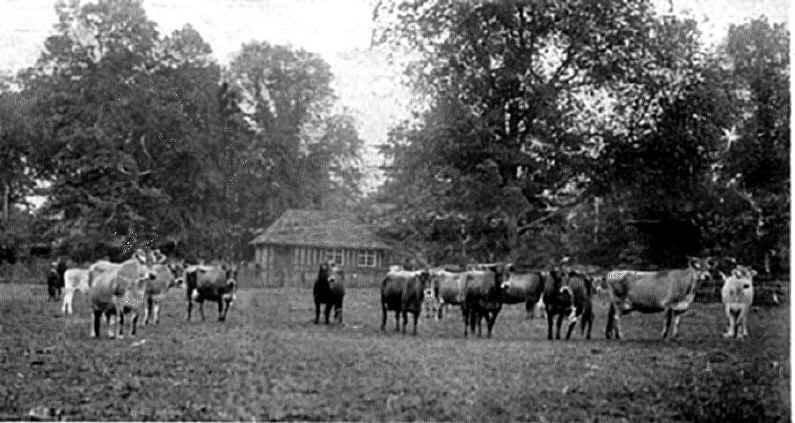
Article from an unidentified magazine and some of the herd
The man is believed to be Ronald Lyes. The names of the cattle are not known !

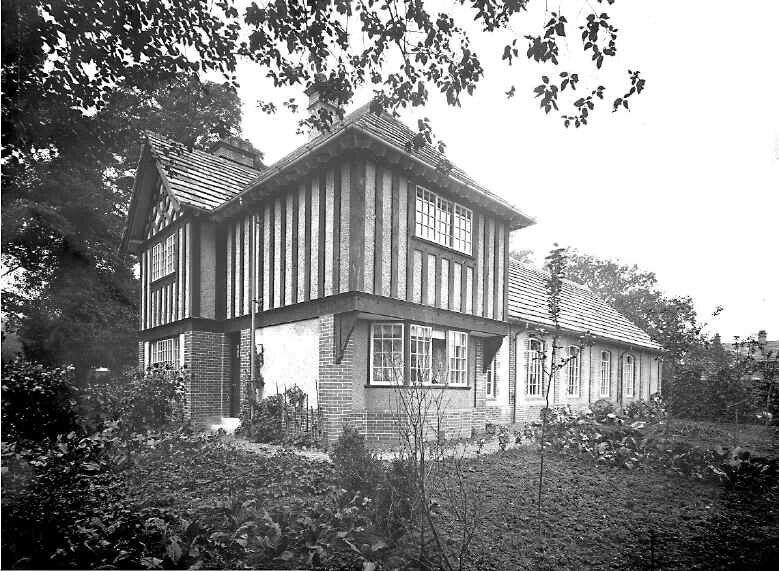
The Estate Office
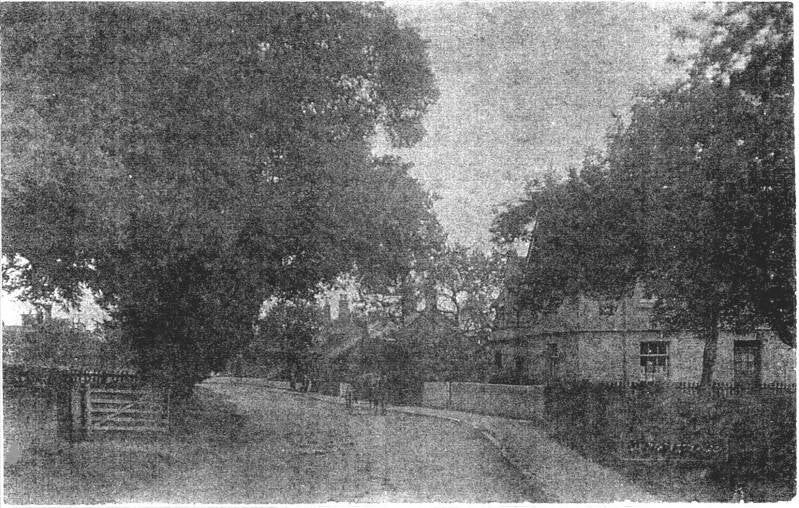
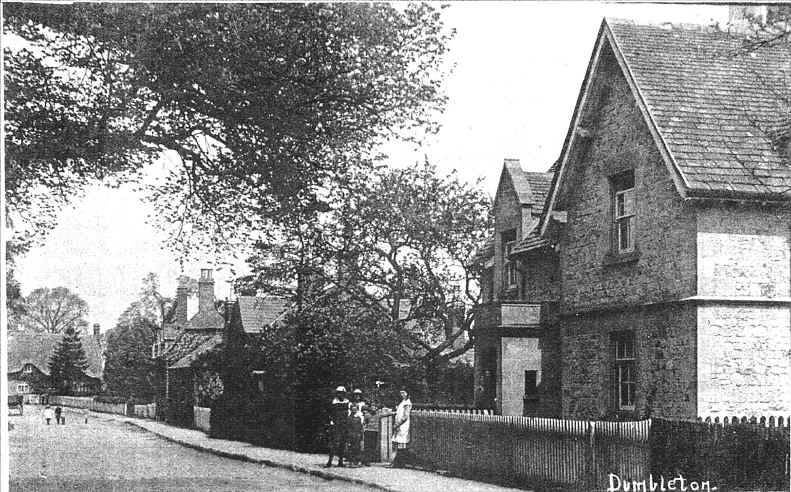
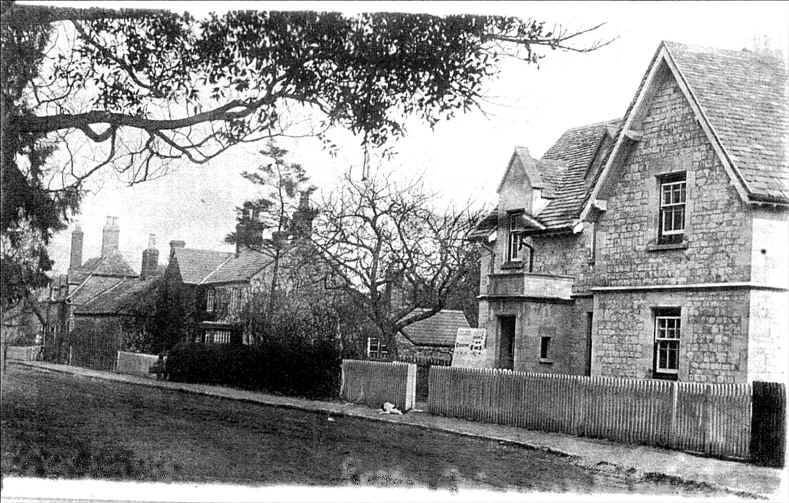
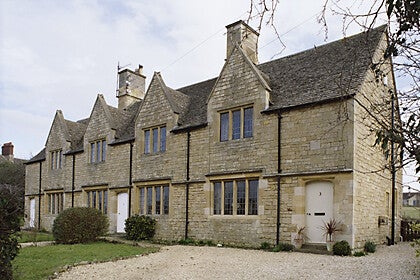
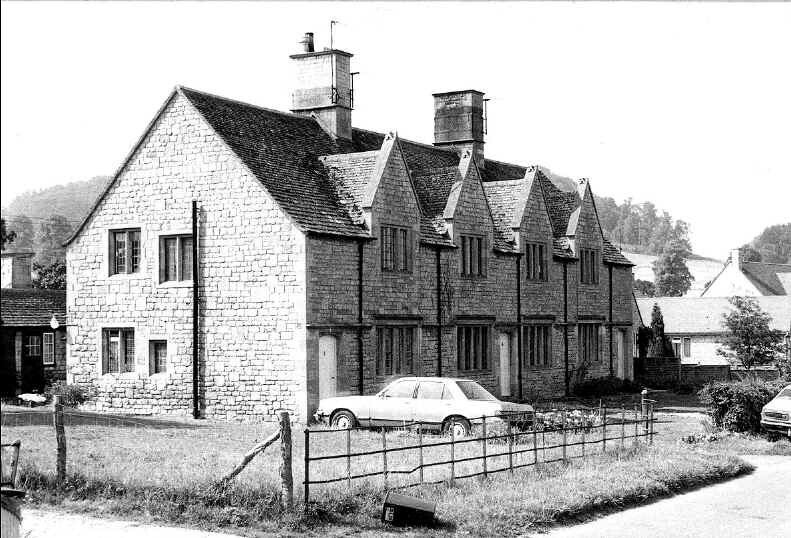
The Gables
These workers cottages were built by the Dumbleton Estate around 1900
Ivy Cottage
Ivy Cottage when it still warranted its name ! This building originally contained the Estate Office prior to its removal to the former Cooperative Store building.
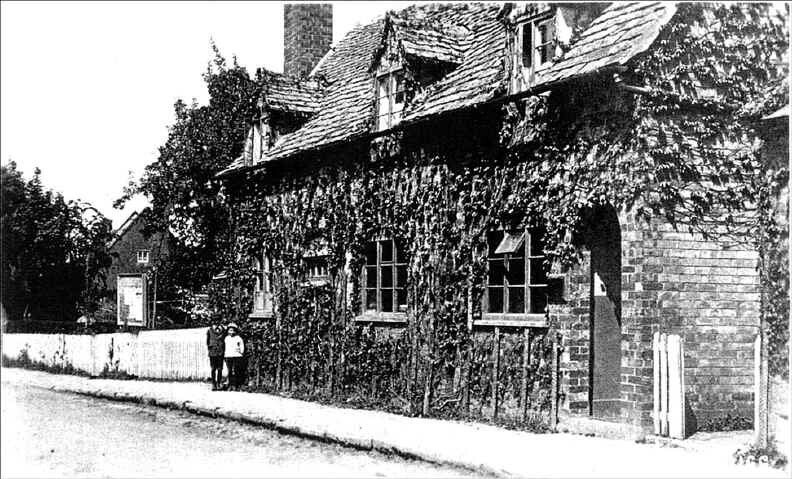
Leyfield Farm
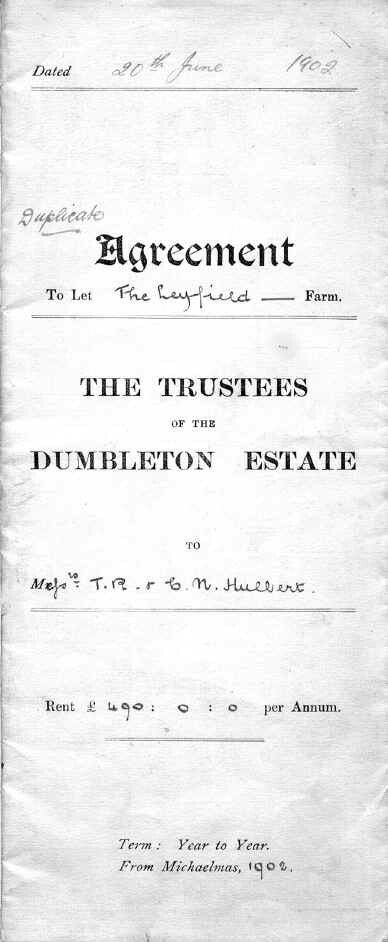
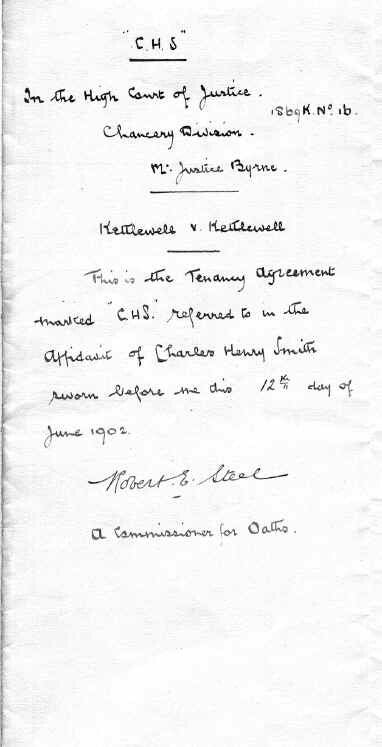
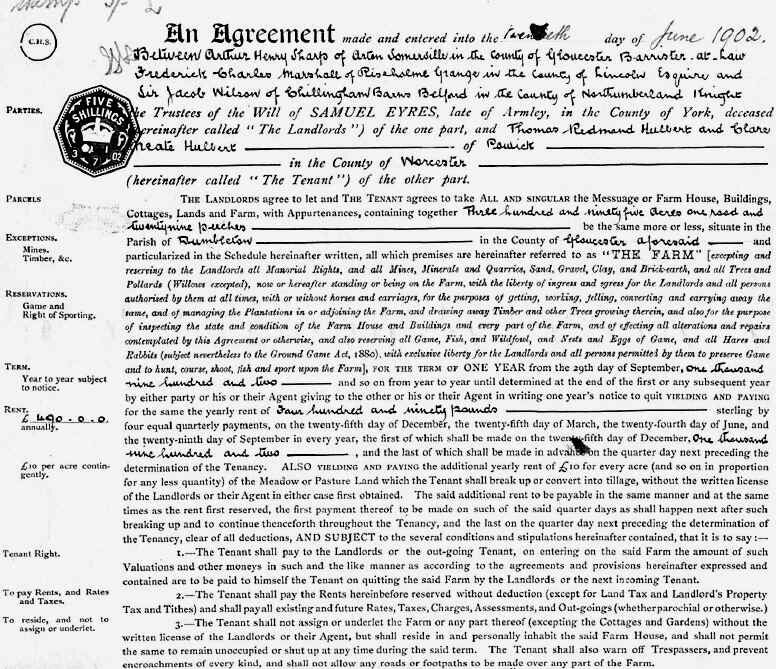
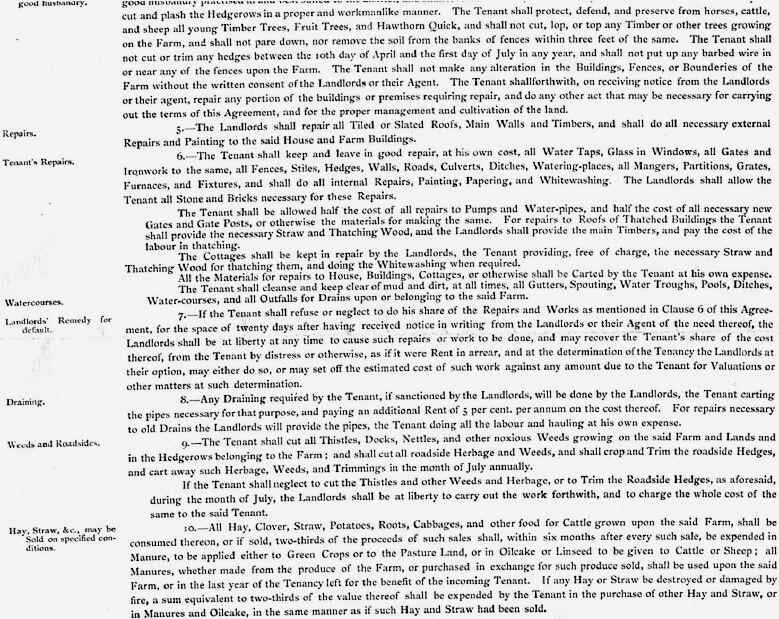
Agreement to let Leyfield Farm to T.R. and C.N.Hulbert
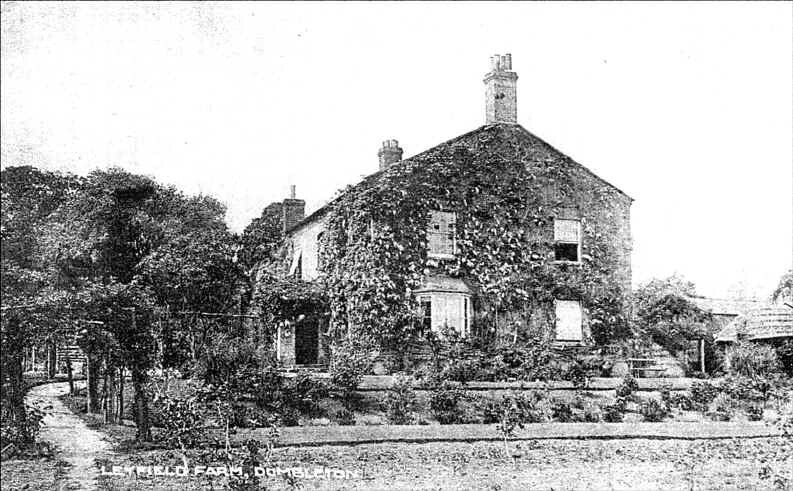
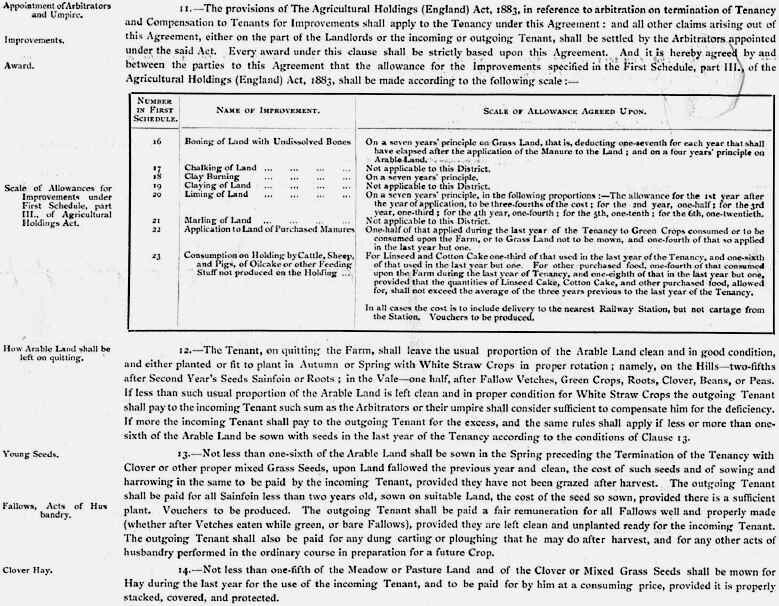
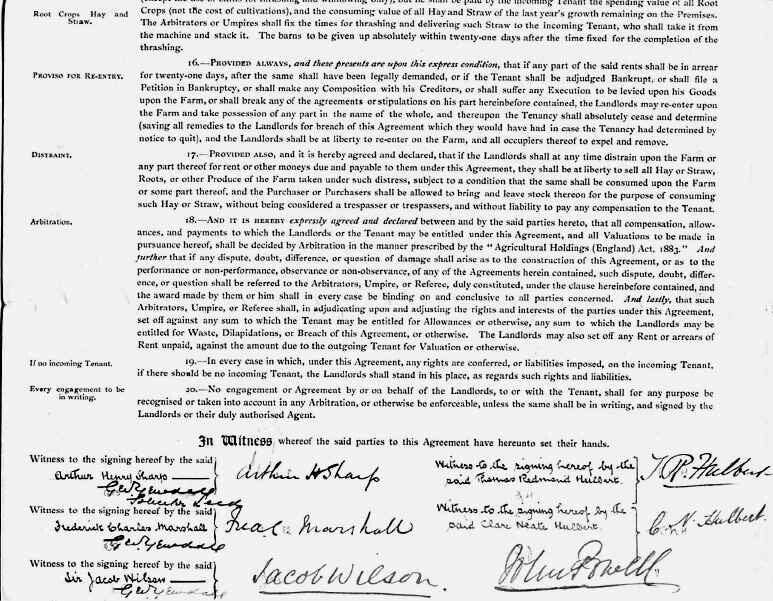
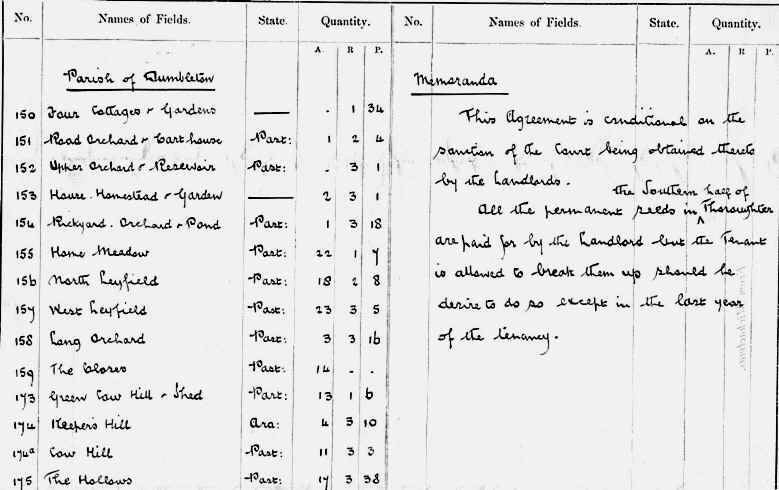
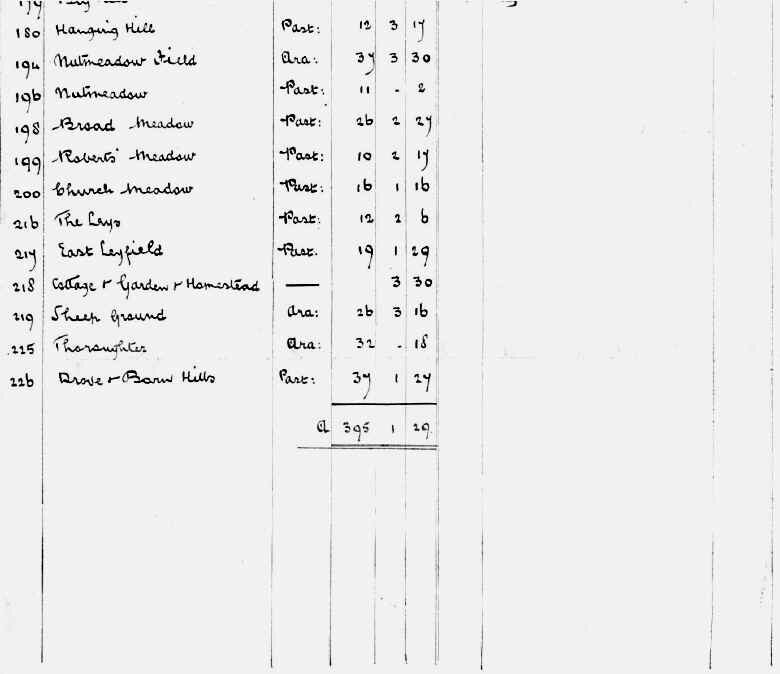
Leyfield Farm
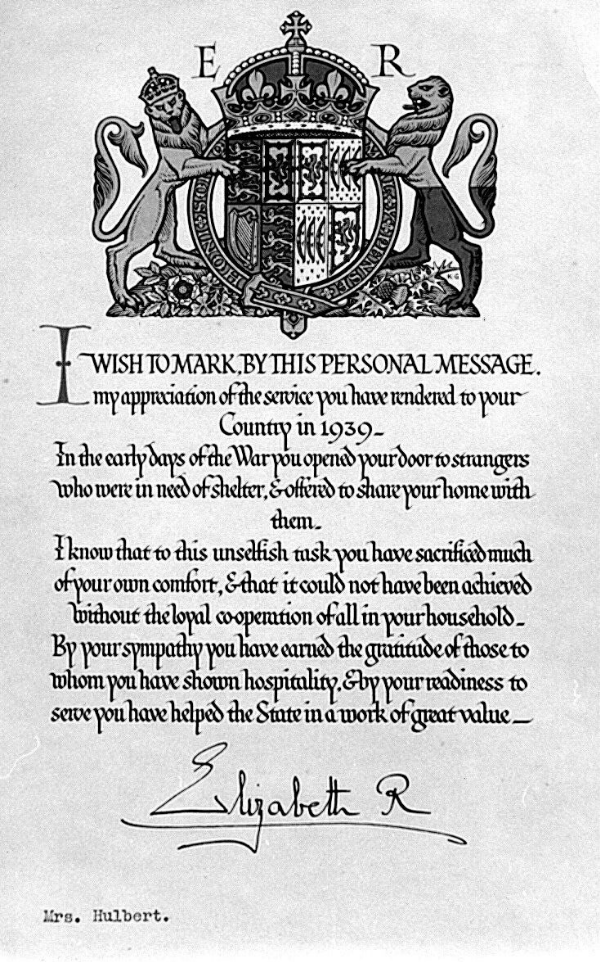
During the Second World War the farmhouse was still occupied by Mrs Hulbert. She received the certificate shown below in recognition of her action in taking refugees into her home
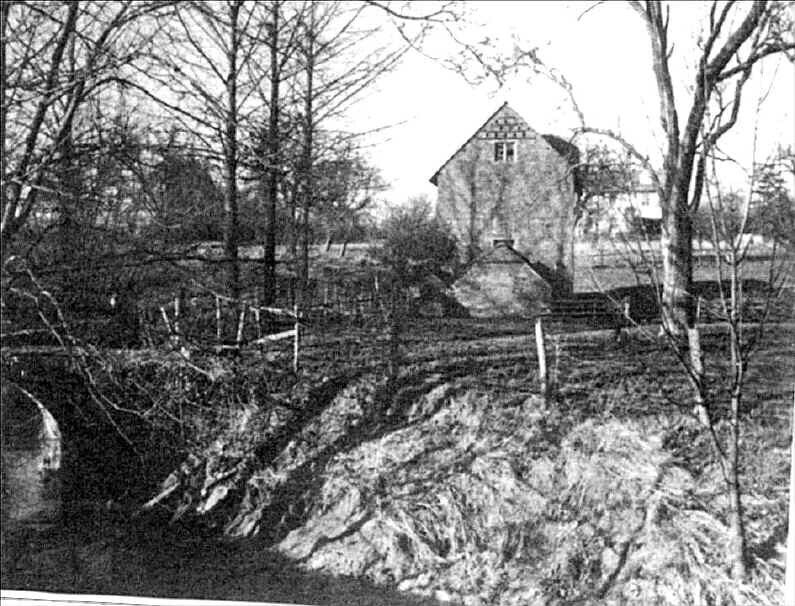
The Mill
Now restored has an old waterwheel
The Palaces
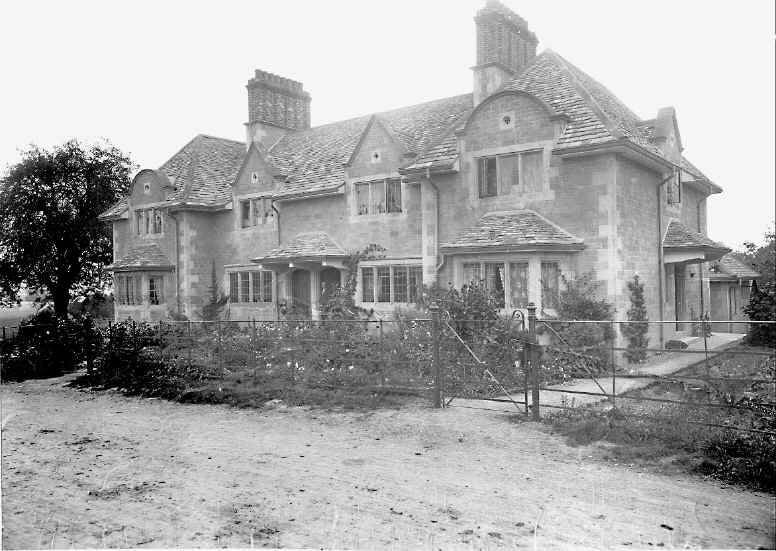
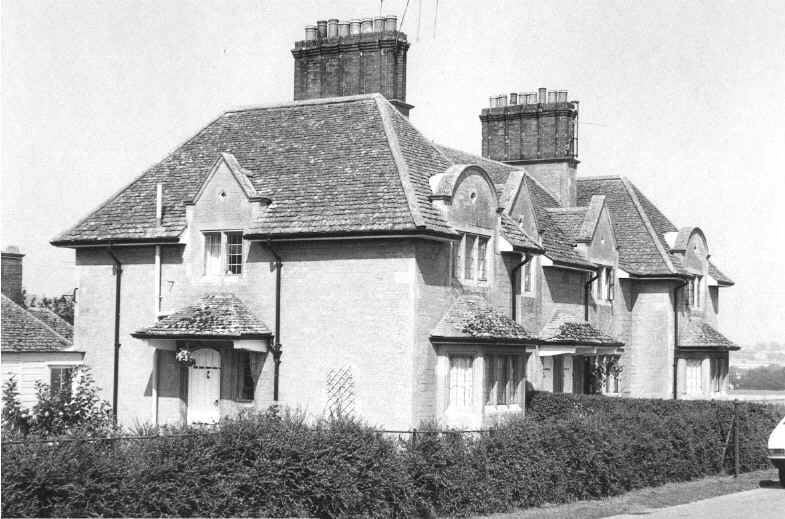
These workers cottages were built by the Dumbleton Estate between 1880 and 1900.
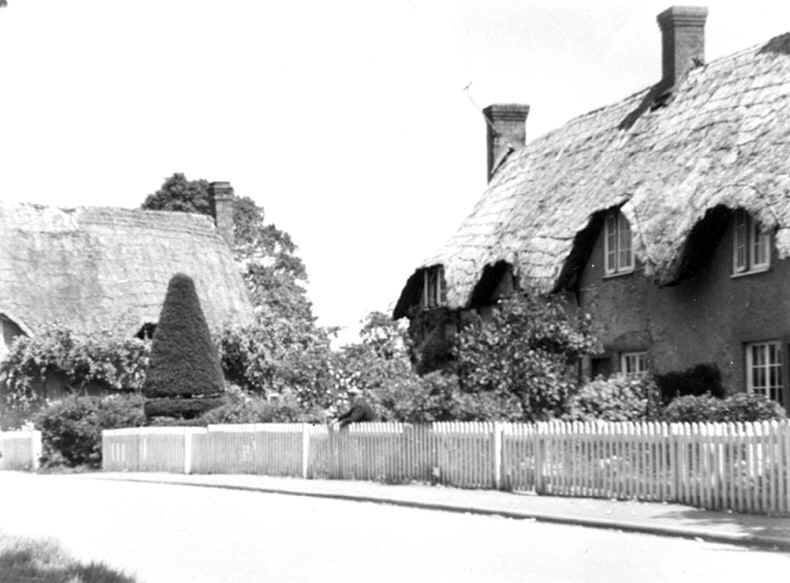
An early picture of The Palaces taken before Main Street was surfaced (photograph kindly loaned by Mr Michael Casey), and on the right a more recent picture of The Palaces - note the TV aerial which does not appear in the previous picture.
The Old Police House
The Old Police House is now named Rose Cottage
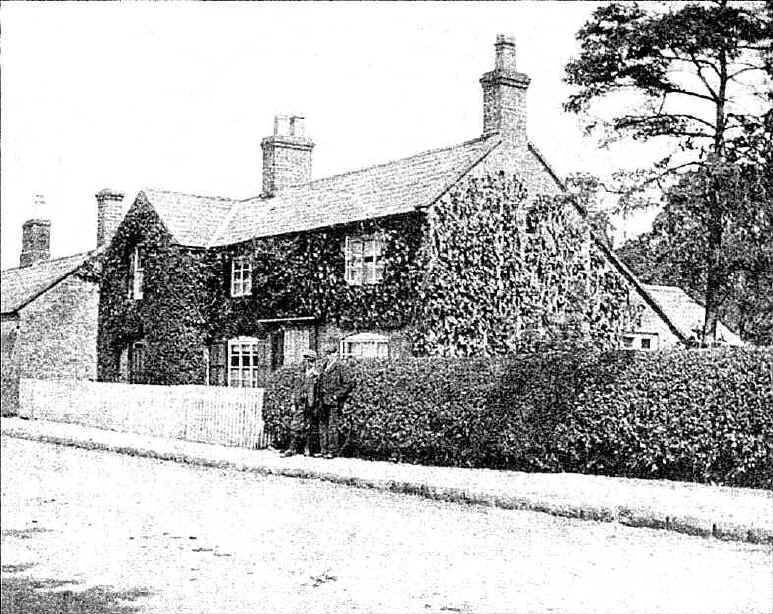
The Post Office
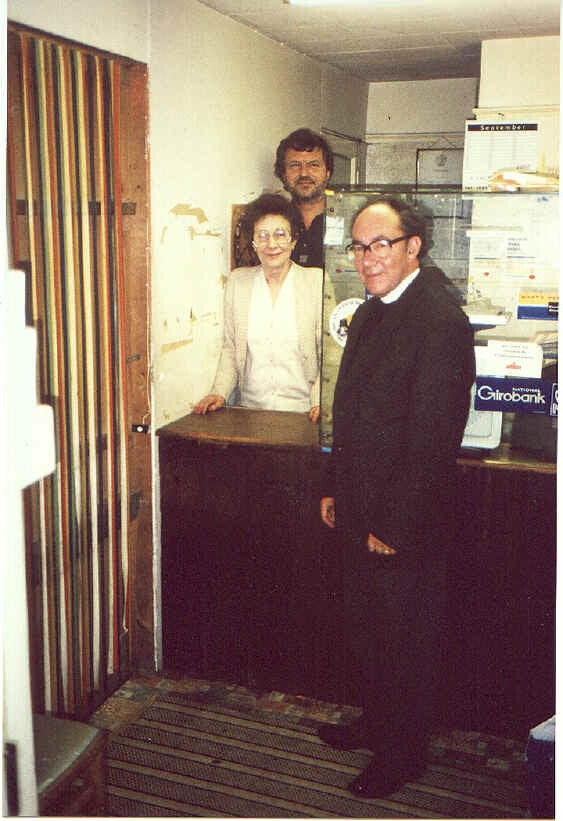
The Dumbleton Post Office has been situated in several different properties around the village. Unfortunately the last Post Office closed on 30 September 1992. The photograph below was taken on the last day of business. On the left is Mrs Hopkins with her son, and on the right is Rev Peter Richards.
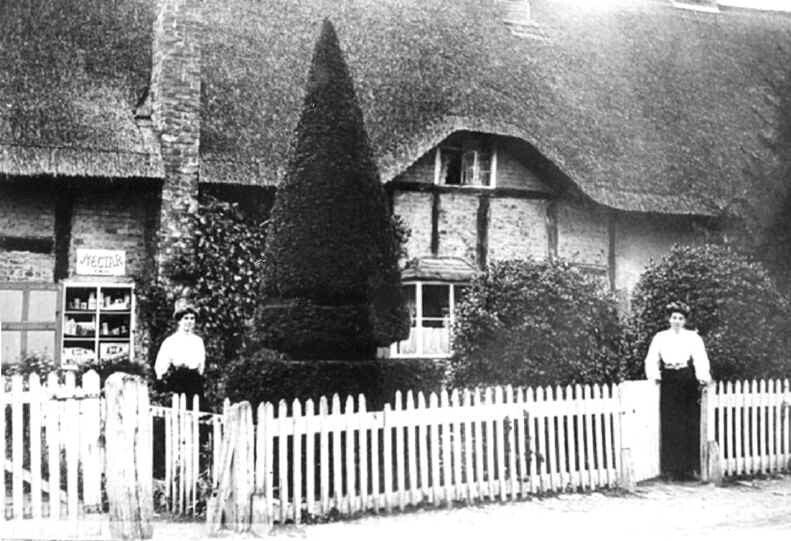
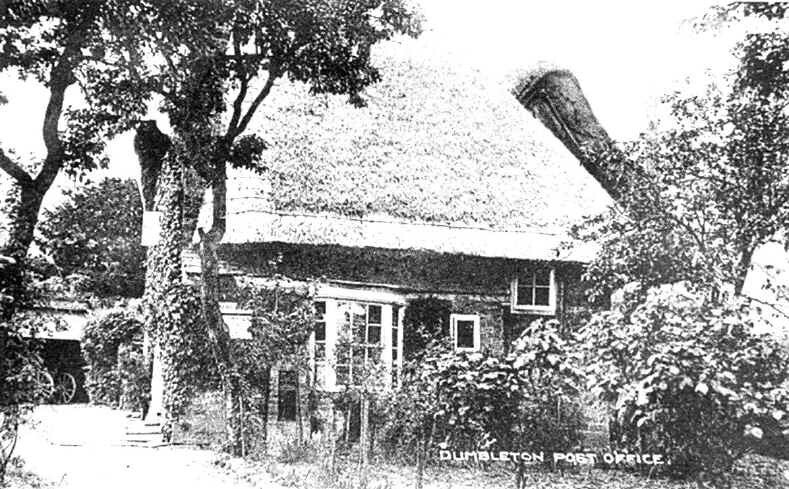
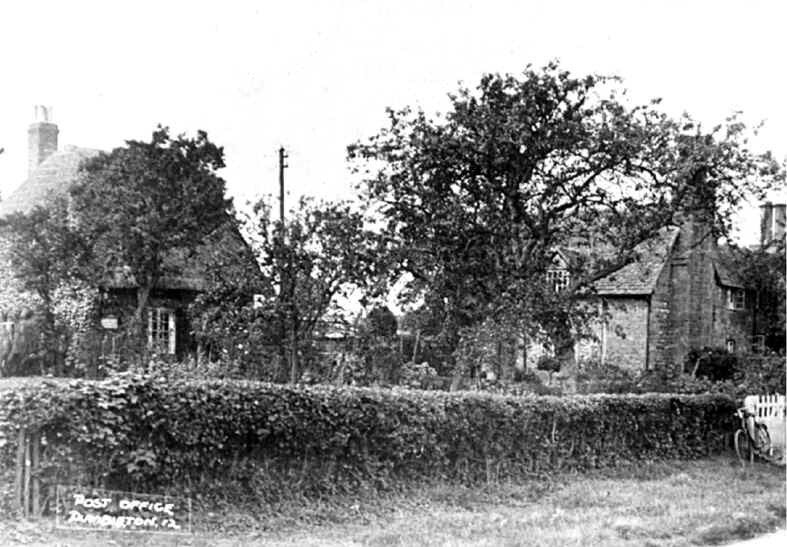
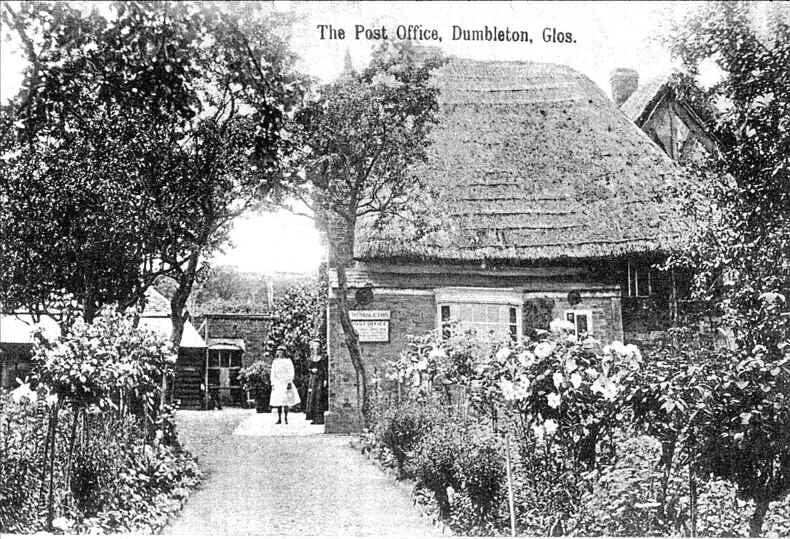
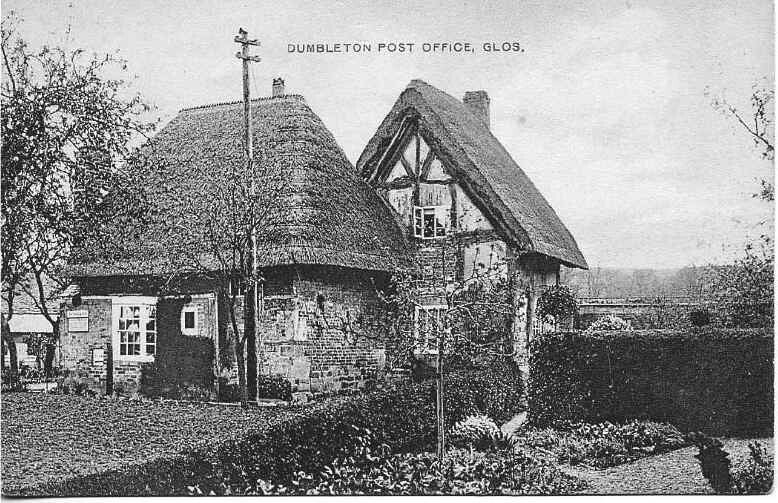
At one time the Post Office was situated in a thatched cottage on the site now occupied by the new property "White Gates"
Bottom right is a postcard of the Old Post Office, believed to date from around 1910 (kindly provided by Mr Terry Whipple)
Shelter (bus)
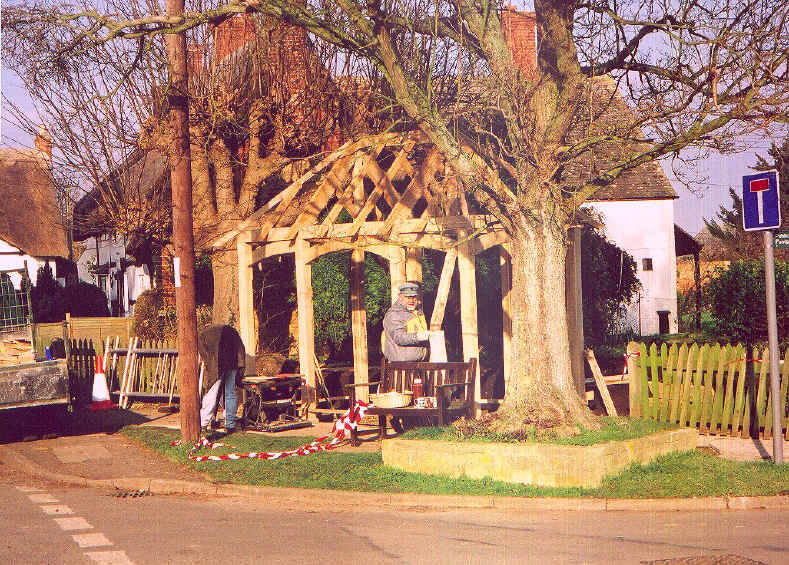
A shelter was erected in XXXX by the Eyres Monsell Trust at the junction of Main Streen with Blacksmiths Lane. In 2026 there is one weekly bus that stops there for travel to Cheltenham to enable a few hours of shopping/visiting. The shelter houses a notice board used to communicate local services and community events.


Sycamore Cottage (2003)
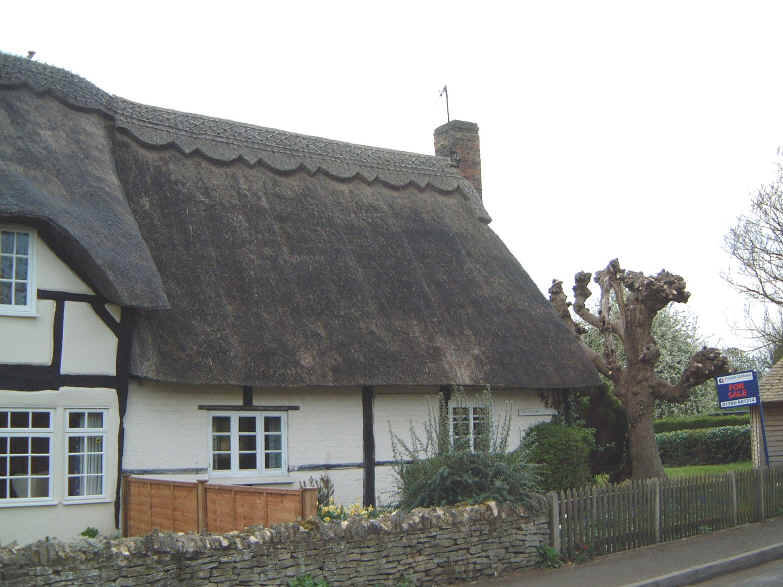
Sycamore Cottage was sold at auction on 15th April 2003. Prior to this it had been occupied for 80 years by the same lady.
The Estate Cottage Survey of 1875 shows that the cottage was occupied by a John Smith and nine other people !
John Smith - a bachelor
His nephew and the nephew's wife
Five boys under the age of 12
One girl under the age of 12
One girl over the age of 12
John Smith worked for a Mr C Morris and paid an annual rent of £ 2.12.0 d. ( £2.60 in decimal currency)
The Estate Cottage Survey of 1892 shows that the cottage was occupied by a John Clark, described as a widower, and three children -
Two boys over the age of 12
One girl over the age of 12
John Smith's occupation was described as being a labourer in the woods and his sons worked for a Mr Smithin. The annual rent remained at £ 2.12.0 d.
The last occupant, prior to the auction, had moved to the cottage when very young following the death of her mother. She was taken in by an aunt and, because her maiden name was Clark, it is possible that the aunt was the girl over the age of 12 mentioned in the 1892 Cottage Survey.
The photographs below were taken on the day before the auction took place

The Thatched Cottage
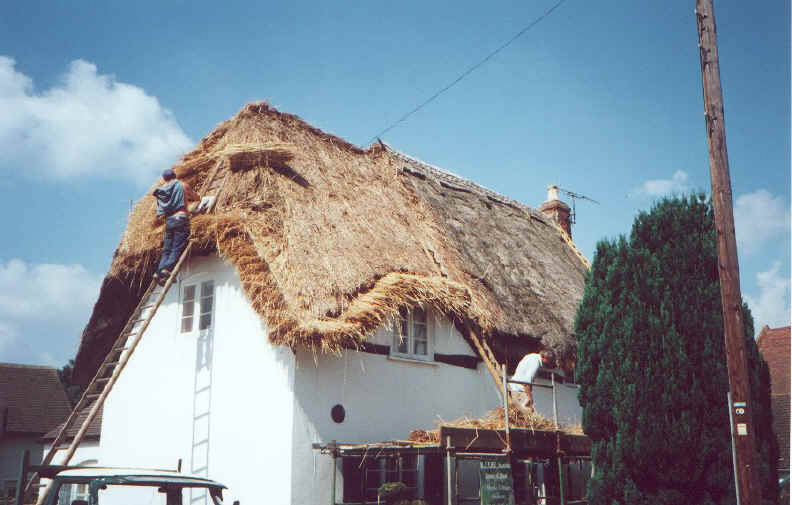
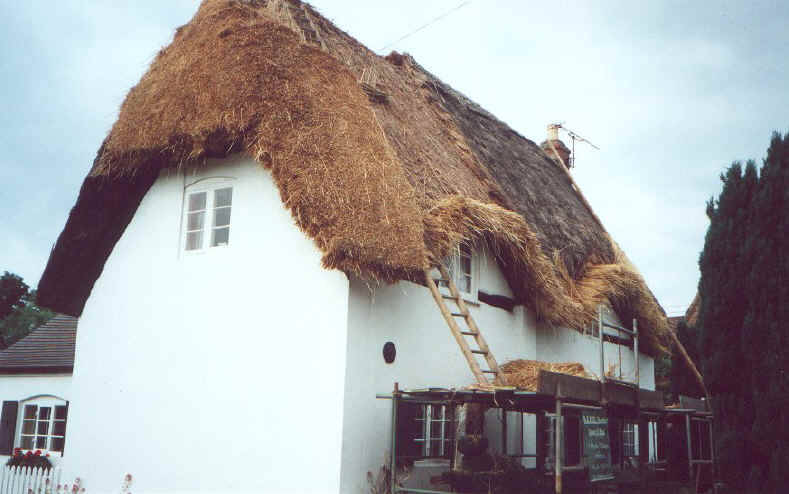
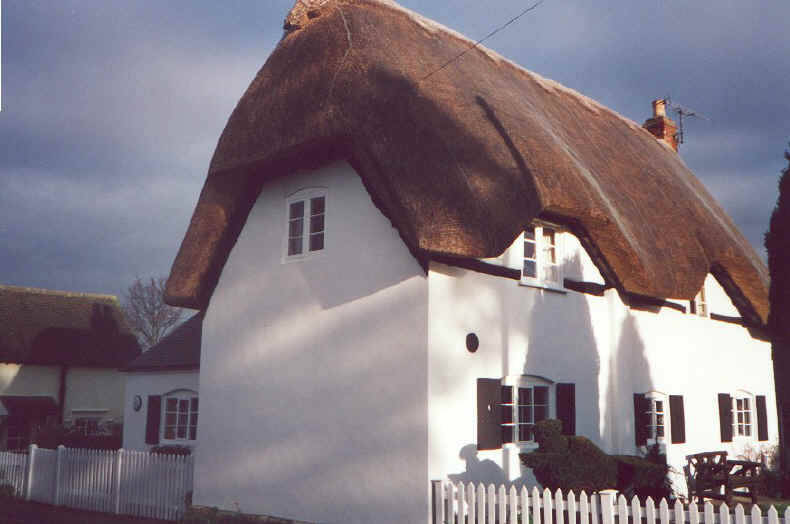
The Thatched Cottage was re-thatched between July and November 2000
Yew Tree Cottage
Yew Tree Cottage has undergone a number of changes over the years. In the following photographs notice how the thatch has changed shape and how the original wooden beams were once covered. At one time the cottage also served as a shop.
The man is believed to be Albert Fisher with his mother. The identity of the younger woman holding the baby is not known